Gallons per day
Define the daily water requirement for animals, irrigation, tanks, or site operations before designing the solar side.
Water pumping is one of the clearest reasons to use solar in remote locations. The pod does not just make electricity — it moves water into tanks, troughs, and pressure systems where the grid may be weak, expensive, or absent.
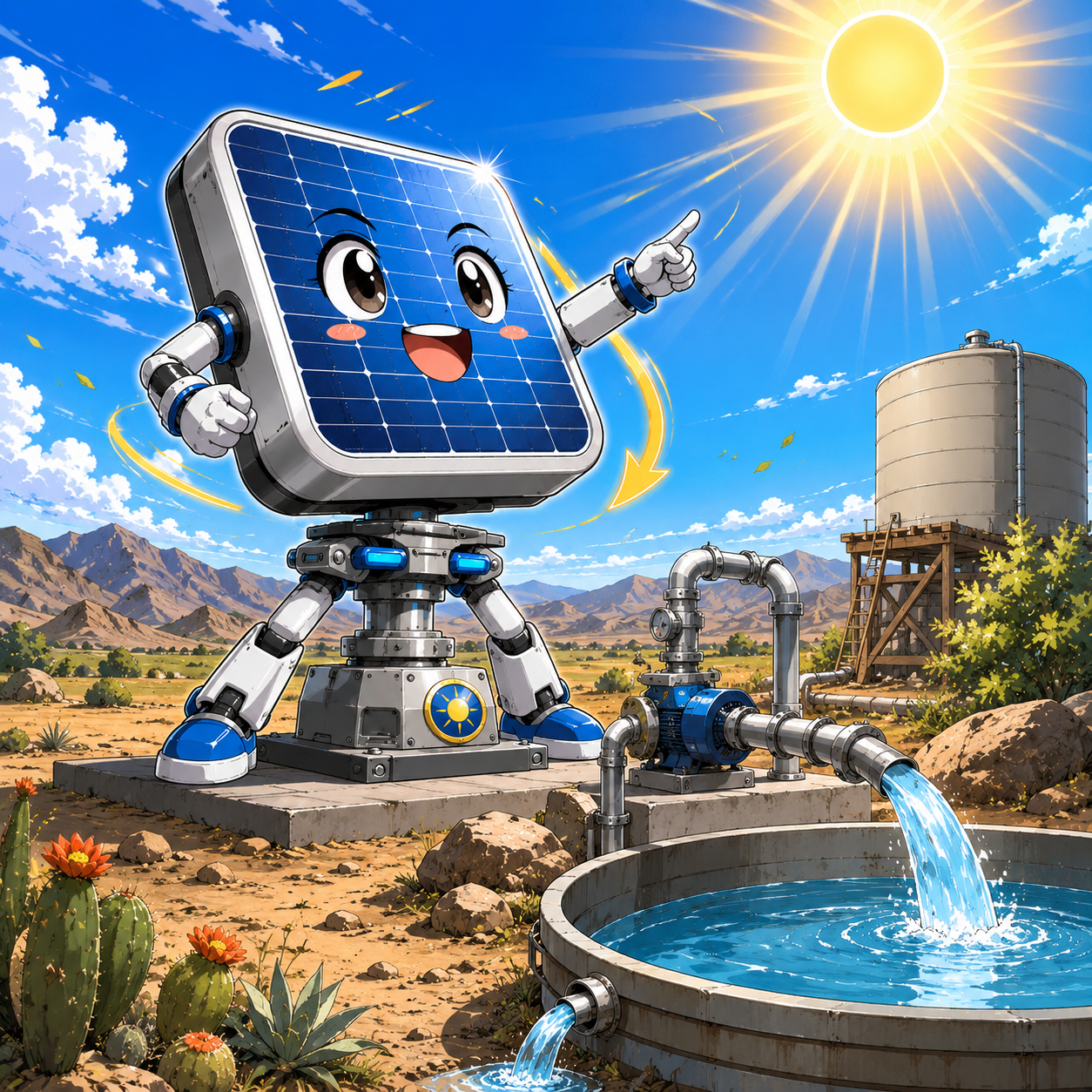
The first question is not “how many panels?” The first question is how much water must move, from where, to where, and when.
Define the daily water requirement for animals, irrigation, tanks, or site operations before designing the solar side.
Water lifted uphill or through pressure systems requires more pump energy than water moved across flat ground.
A pump can run when the sun is available, or batteries can support pumping outside solar hours.
Water tanks are often cheaper and simpler than storing every watt-hour in batteries.
For remote pumping, water storage can be the hero. Instead of forcing the pump to run at night, the solar system can pump during the day and store water for later use.
Before choosing fixed solar, tracking solar, or batteries, define the water system.
Pump sizing depends on flow, pressure, head, pipe friction, source conditions, duty cycle, controls, and maintenance. Solar only works if the water system is honest.
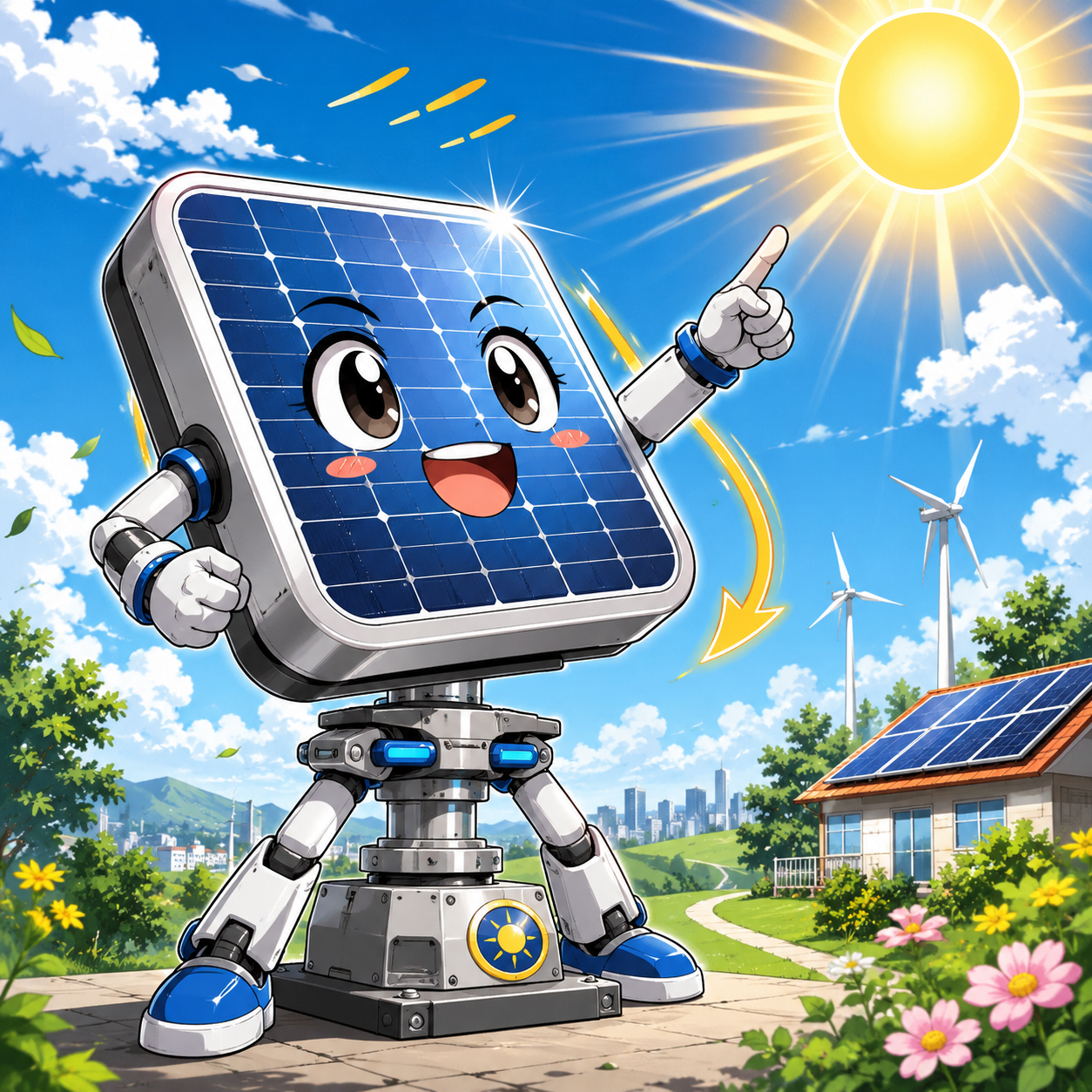
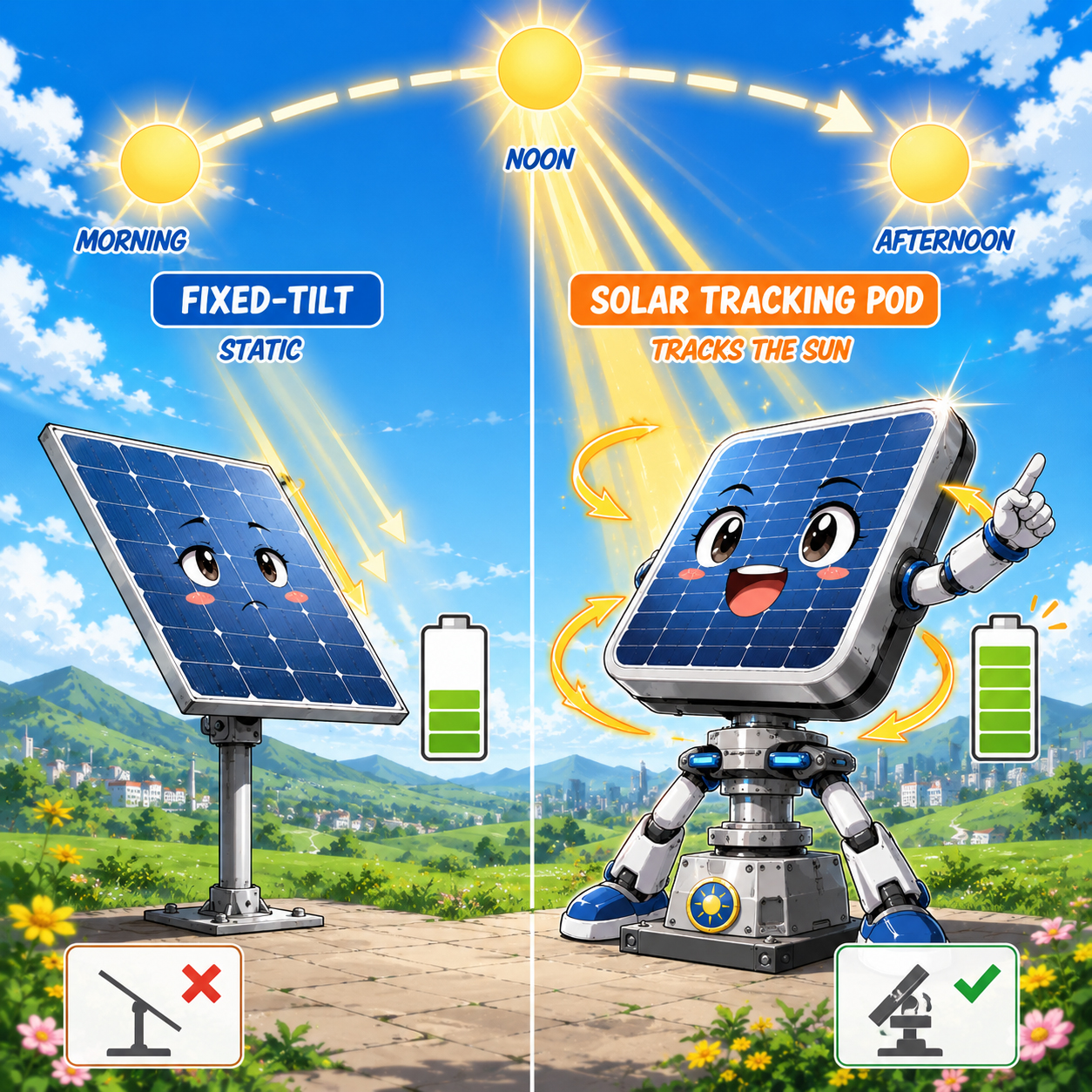
A tracking pod can extend useful production earlier and later in the day. That may help a pump run for more hours, but the value depends on the pump, tank, and daily water target.
Remote pumping can be designed several ways. Each has a different tradeoff.
If the job is only to move water, storing water in a tank can be simpler than storing electricity in batteries. Batteries become more important when pressure, controls, or non-sun-hour pumping are required.
For livestock, water is not a convenience load. If the system fails, the consequences are serious. Remote solar water design needs redundancy and inspection.
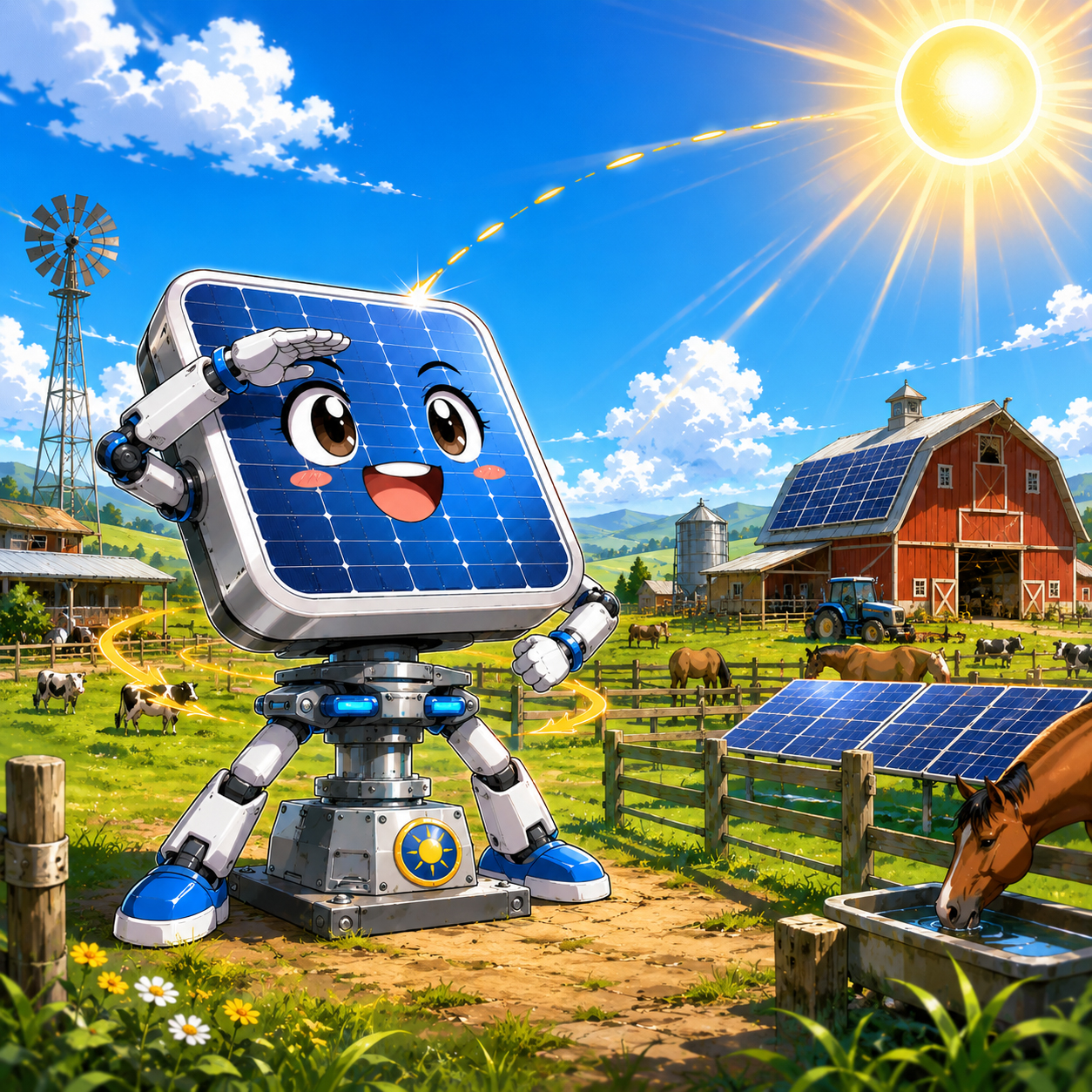
Solar pumping is a strong use case, but not every site wants a tracking pod.
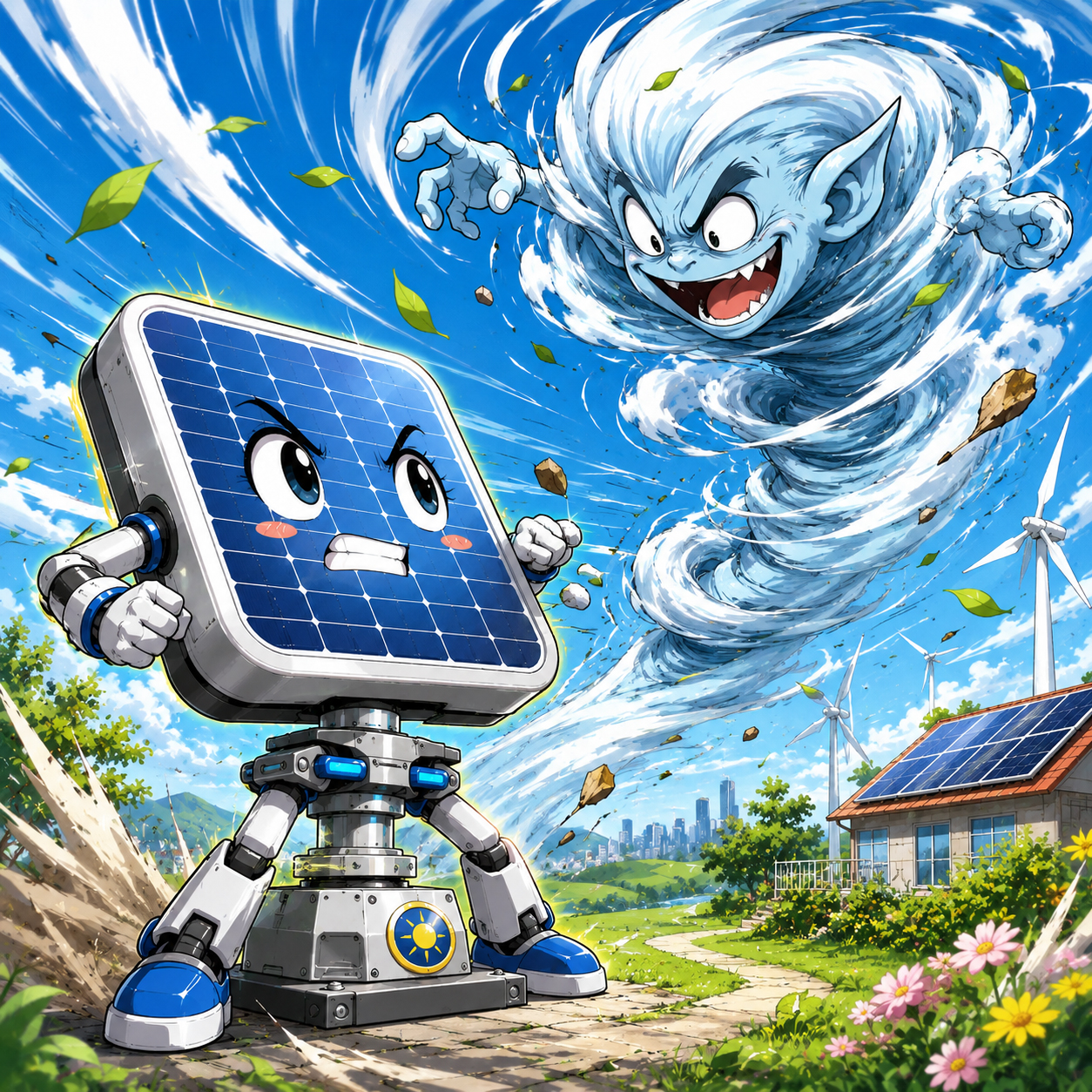
Remote pump locations are often exposed. Tracking hardware must be designed for wind, dust, temperature, animals, and lonely service conditions.
Remote water pumping connects to ranch systems, batteries, fixed-vs-tracking decisions, and off-grid resilience.
Remote solar water pumping is one of the clearest solar jobs. Start with gallons, head, pump requirements, storage, and backup needs. Then decide whether fixed solar, tracking solar, batteries, or a hybrid design makes sense.