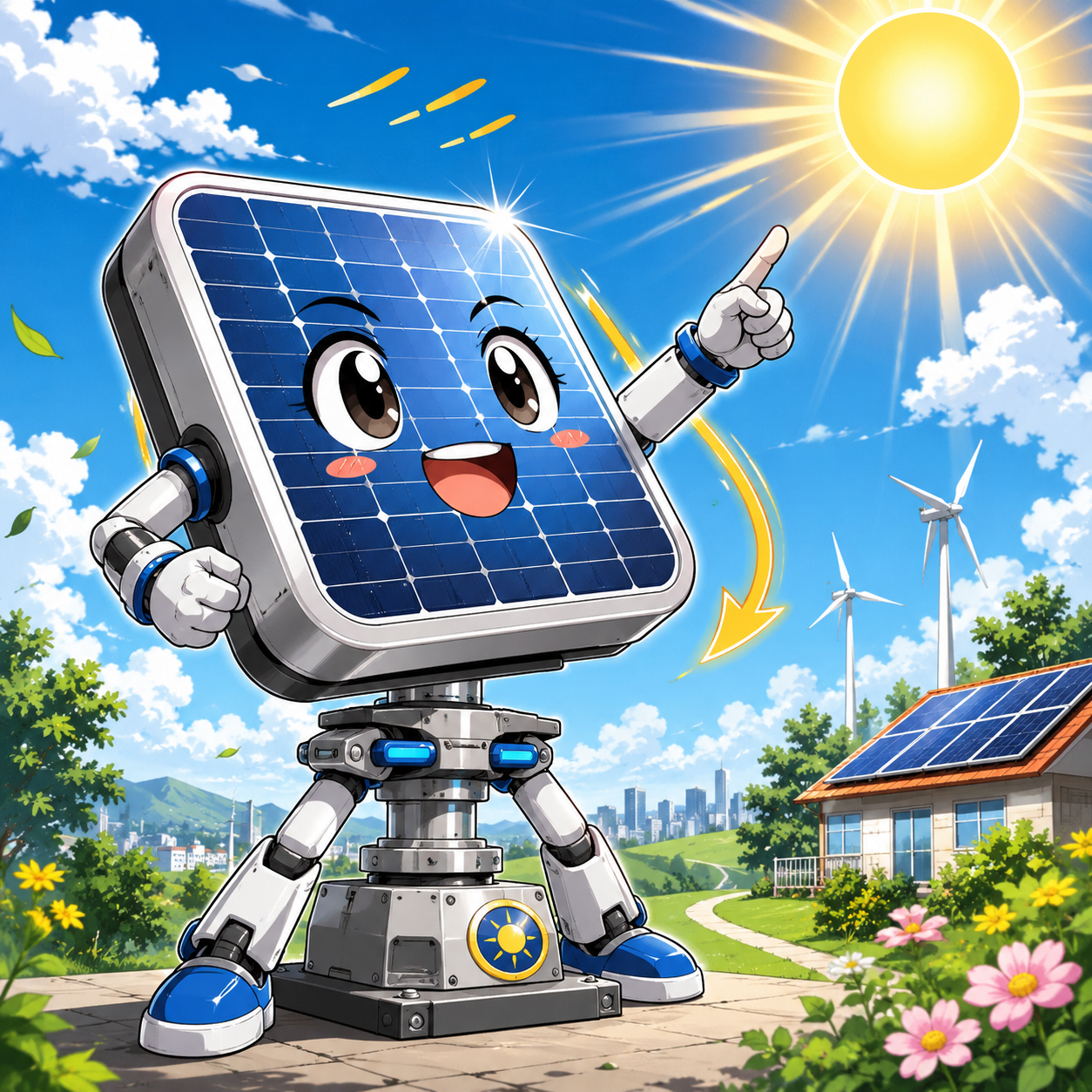
Solar Pod Boy vs Fixed-Tilt Sensei

Tracking vs. fixed solar: who wins?

Fixed solar is simple, strong, and usually the default winner. Tracking solar is exciting when the extra motion has a job: batteries, EV charging, remote loads, water pumping, education, or production-shape value.
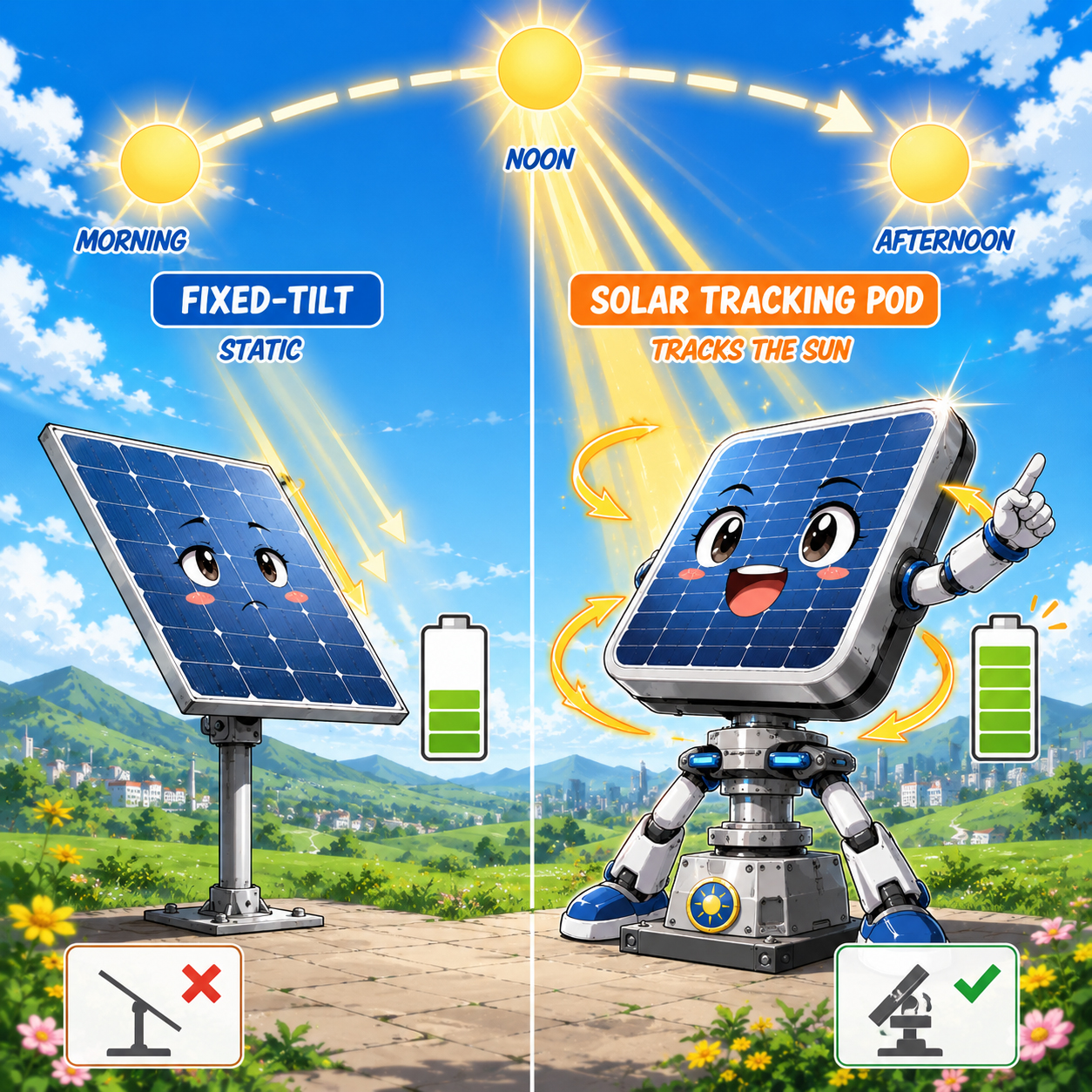
Manga comparison of tracking solar pod and fixed tilt solar
WHO
WINS?

The matchup.

This is not a beauty contest. It is a design decision. The winner depends on site, load, wind, budget, maintenance, and permitting.

Fixed-Tilt Sensei manga solar character
fixed tilt

Fixed-Tilt Sensei

Calm. Simple. Strong. Fixed solar usually wins when reliability, lower cost, roof mounting, fewer moving parts, and easier inspection matter most.
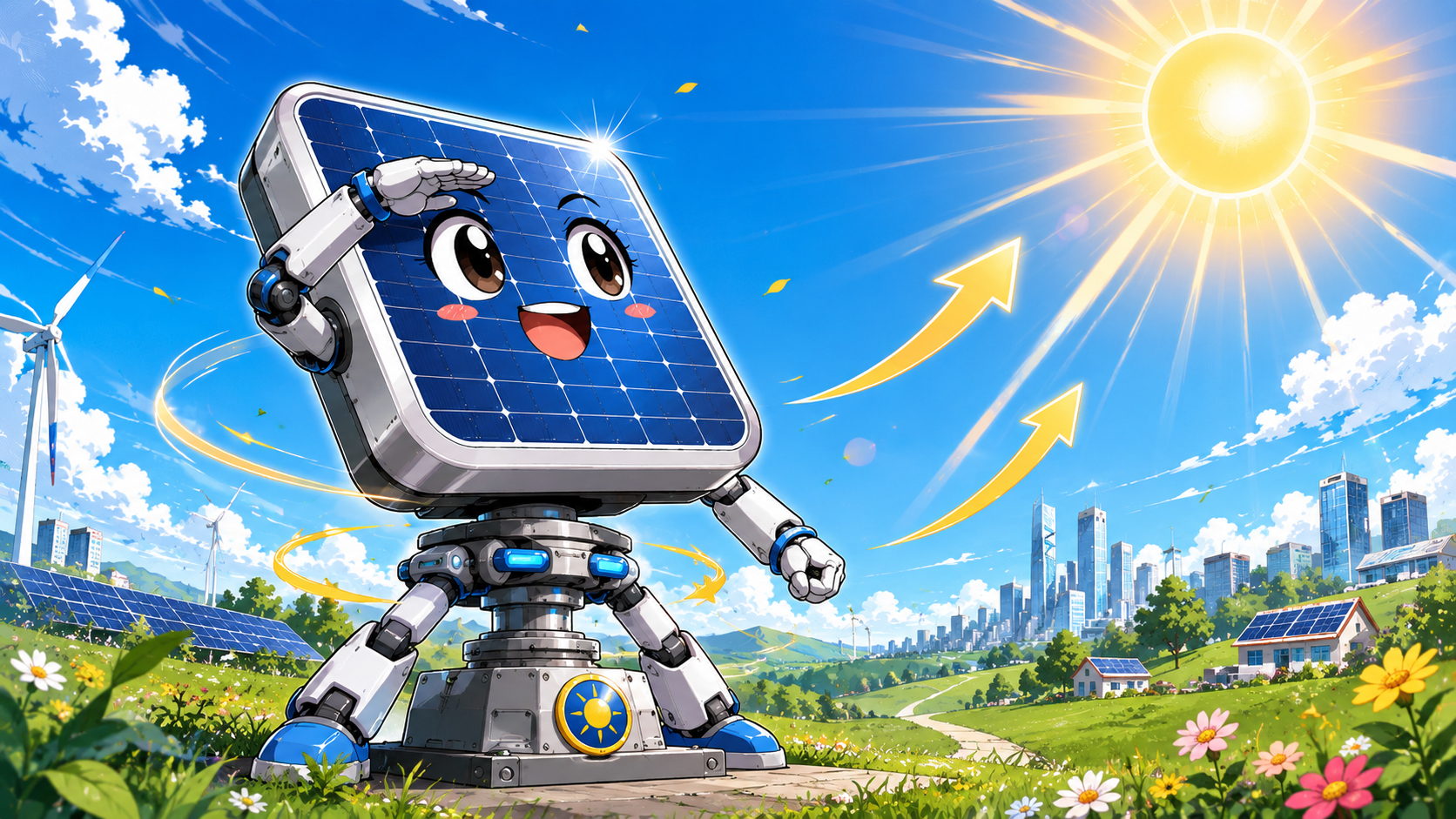
Solar Pod Boy manga tracking pod character
tracking pod

Solar Pod Boy

Energetic. Moving. Mission-driven. Tracking solar can make sense when morning or afternoon energy is valuable enough to justify added hardware.

Tracking is about the production curve.

The point is not just “more solar.” The point is when that solar arrives. Tracking can shift and stretch production into useful morning and afternoon windows.
  • Fixed solar is strong near its optimized sun window.
  • Tracking solar tries to reduce poor-angle hours.
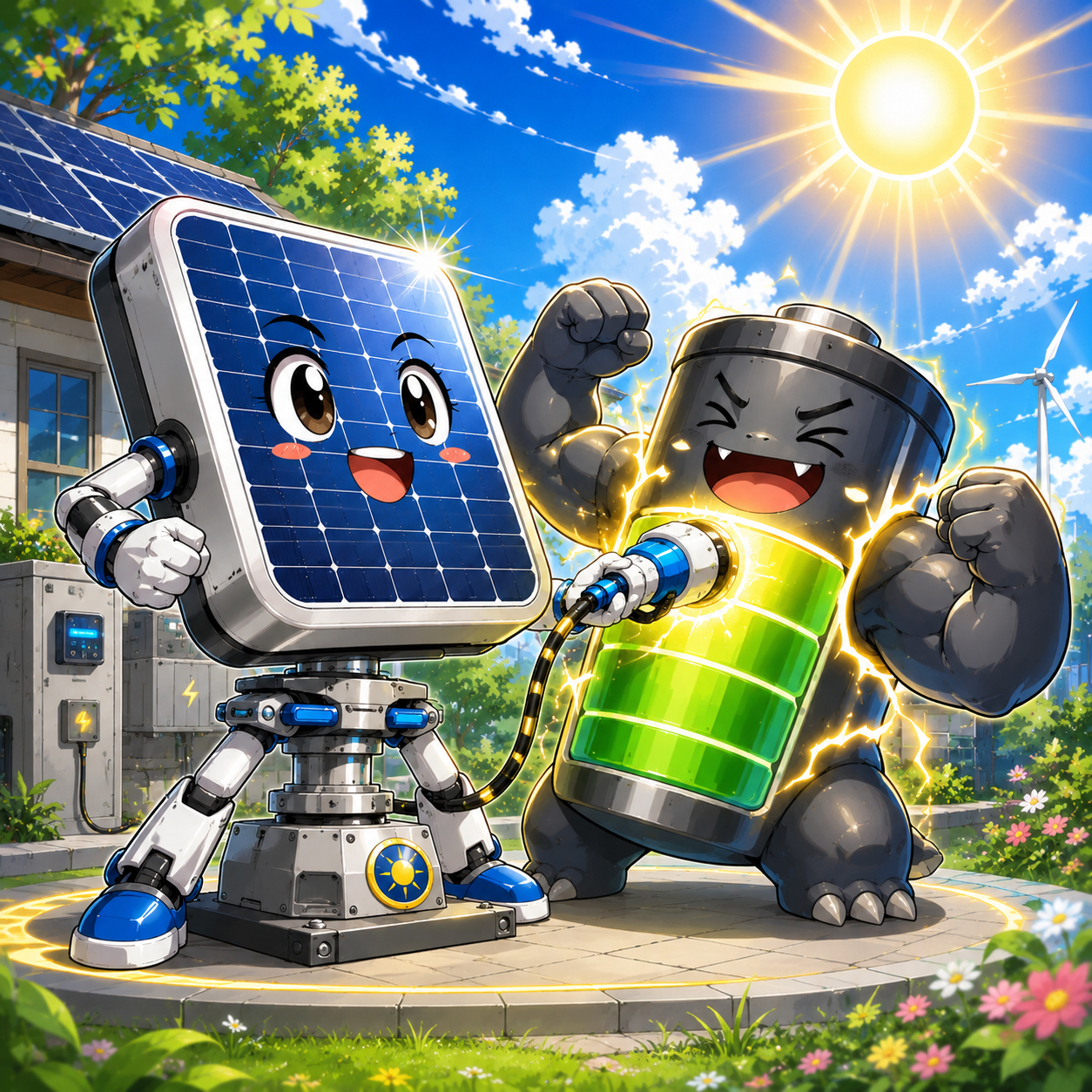
  • Batteries may value a longer charging window.
  • EV charging and water pumping may value daytime shape.
Solar tracking pod charging Battery Beast

The practical scoreboard.

If this were a manga battle card, fixed solar wins more categories. Tracking wins only when the mission demands movement.

Question
Fixed solar
Tracking solar
Lowest complexity?
Usually wins. Fewer parts and simpler installation.
Loses. Motors, bearings, controls, and moving wire paths add complexity.
Roof applications?
Usually wins. Roof solar is normally fixed-mounted.
Usually not appropriate for ordinary roofs.
Ground projects?
Often strong, especially when land is available.
Can compete when open space and production-shape value exist.
Morning/afternoon production?
Limited by fixed angle compromise.
Potential advantage if the tracker is well-designed.
Maintenance?
Usually simpler over time.
Requires more inspection and mechanical attention.
Wind risk?
Usually easier to control.
Requires serious stow, anchoring, and structural design.
Educational value?
Good for basics.
Excellent for showing sun path, angle, motion, and energy timing.
Wind Goblin attacking a solar tracker

Wind is the judge.

A solar tracker can act like a sail. The more it moves, the more seriously wind, stow position, foundations, and controls must be treated.

  • Trackers need engineered support.
  • Moving panels need clearance.
  • Controls must know when to stop tracking.
  • Wire management must tolerate repeated motion.
  • Maintenance access must be planned before installation.

Decision rules.

Use these rules before falling in love with a moving panel.

Start with fixed.

Fixed solar should usually be the first comparison case because it is simpler, proven, and often more cost-effective.

Define the load.

Tracking is stronger when the energy has a defined job: charging batteries, EVs, pumps, sensors, communications, or classroom demos.

Value the timing.

If morning or afternoon energy has value, tracking may be worth modeling. If not, fixed may win easily.

Check the site.

Trackers need space, clearance, foundations or ballast, access, and a safe wind profile.

Count maintenance.

Moving parts are not free. Bearings, actuators, sensors, controls, and wire paths become long-term obligations.

Model alternatives.

Sometimes adding more fixed panels is cheaper and more reliable than tracking fewer panels.

Who wins where?

The answer changes by project type.

Fixed solar usually wins for

  • Ordinary rooftops.
  • Simple commercial flat roof systems.
  • Projects with tight budgets.
  • High-reliability systems where moving parts are undesirable.
  • Sites where permitting, wind, or access make tracking difficult.
  • Projects where additional fixed panels are practical.

Tracking may win for

  • Open ground sites with room for motion and spacing.
  • Ranch or farm loads with daytime operation.
  • Remote water pumping or off-grid power concepts.
  • EV charging where afternoon production has value.
  • Battery systems needing a longer charging window.
  • STEM and demonstration projects where motion teaches the lesson.

The real answer is not “tracking is better.”

The real answer is: tracking can be better for a specific mission, at a specific site, after structure, wind, cost, maintenance, and alternatives are honestly compared.

Give tracking a job or send it home.

Solar Pod Boy should not move just to show off. He needs a reason.
  • Charge Battery Beast for evening use.
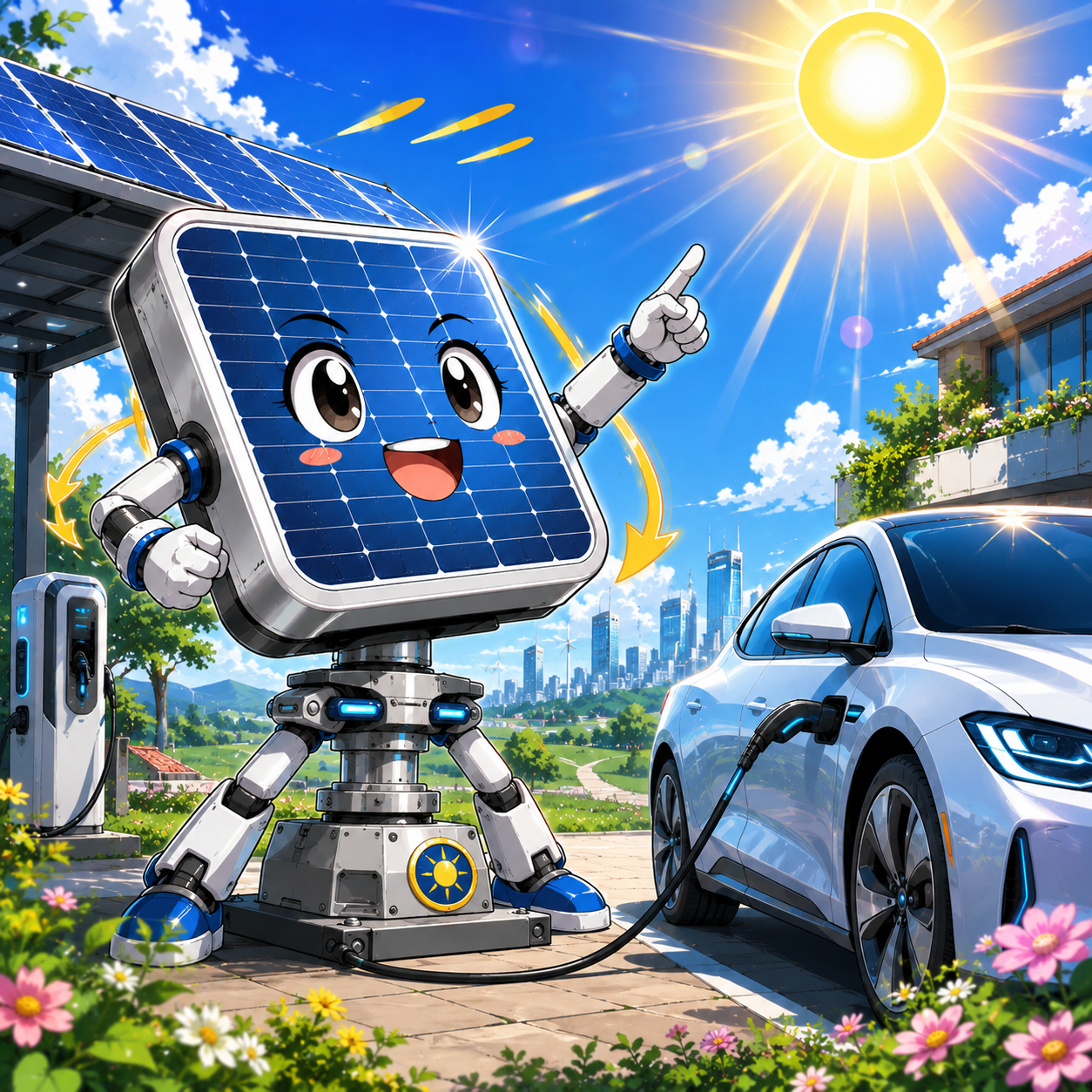
  • Feed an EV charging pod during useful sun hours.
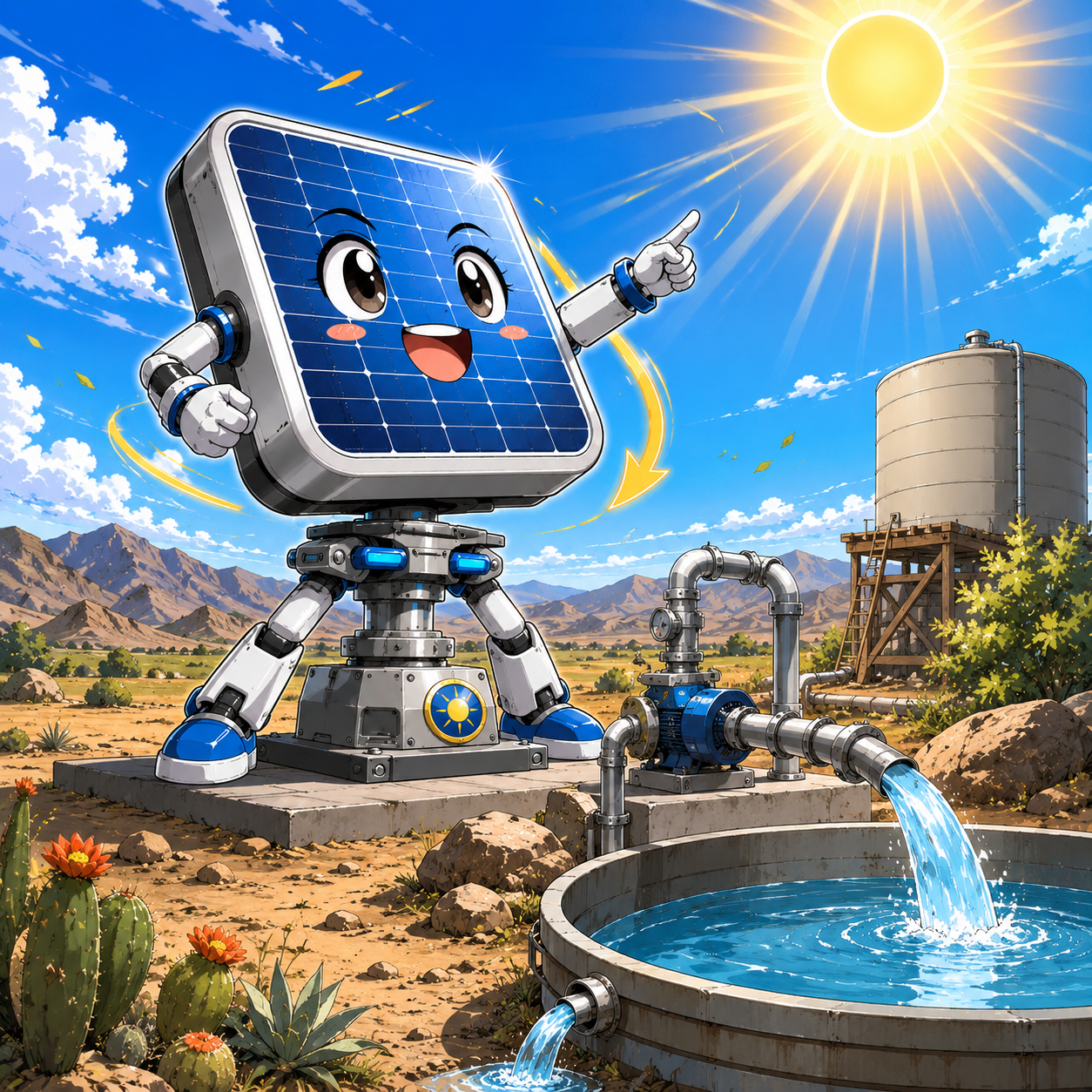
  • Run a remote water pump when sunlight is available.
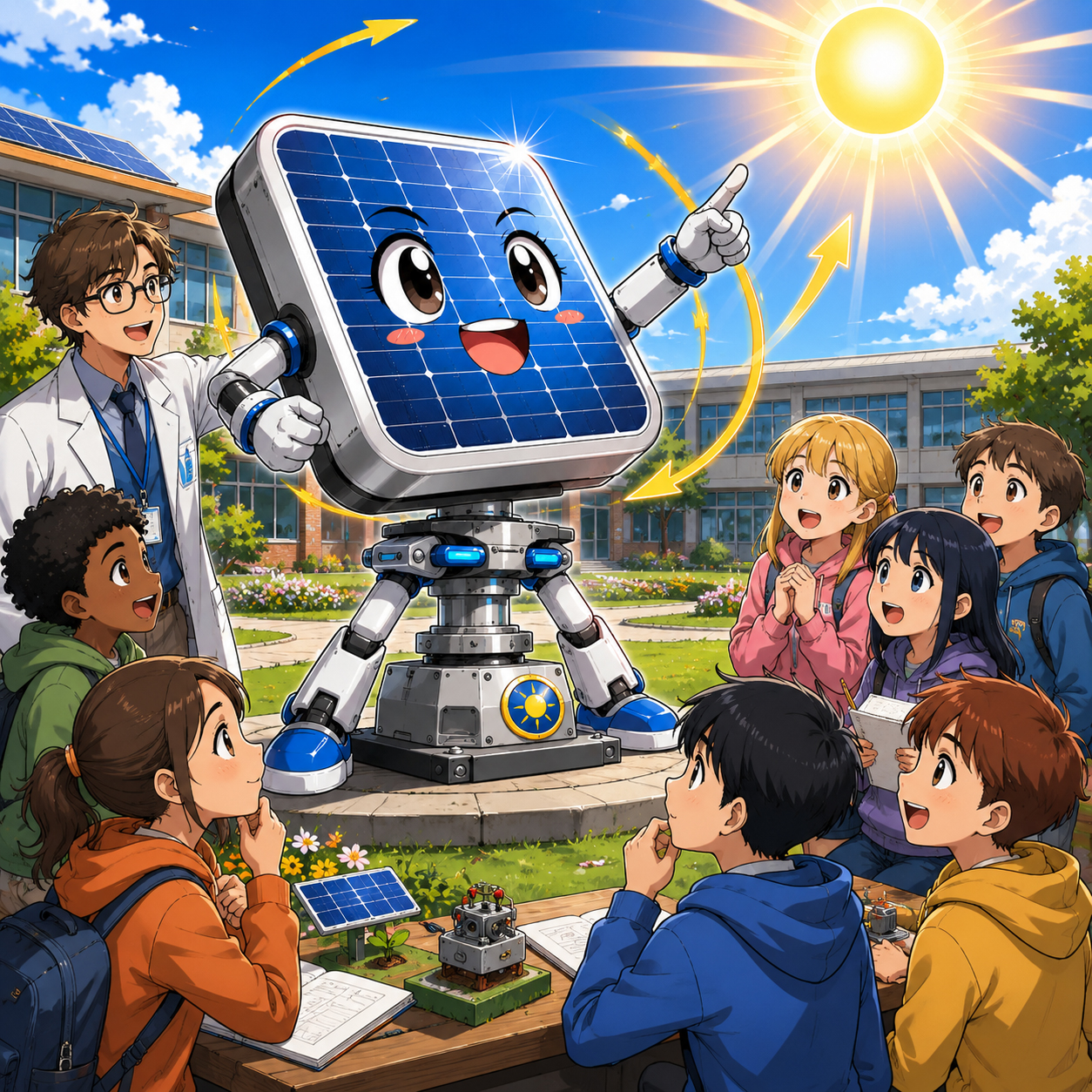
  • Teach students the geometry of solar power.
  • Serve as a resilient power concept with proper engineering.
School demonstration with solar tracking pod

Continue the pod lab.

Compare the next topics and use cases.

Bottom line.

Fixed solar is the default champion. Tracking solar is the challenger. It wins only when the project has open space, useful timing value, a clear load, and professional engineering to defeat the Wind Goblin.