Fixed tilt
The panel is mounted at one angle. It is simple, strong, predictable, and usually the default answer for roofs and many commercial systems.
Solar tracking is the idea of aiming a panel toward the sun instead of locking it at one fixed angle. It sounds simple. The manga version is cute. The engineering version is motors, controls, wind, structure, wiring, and maintenance.
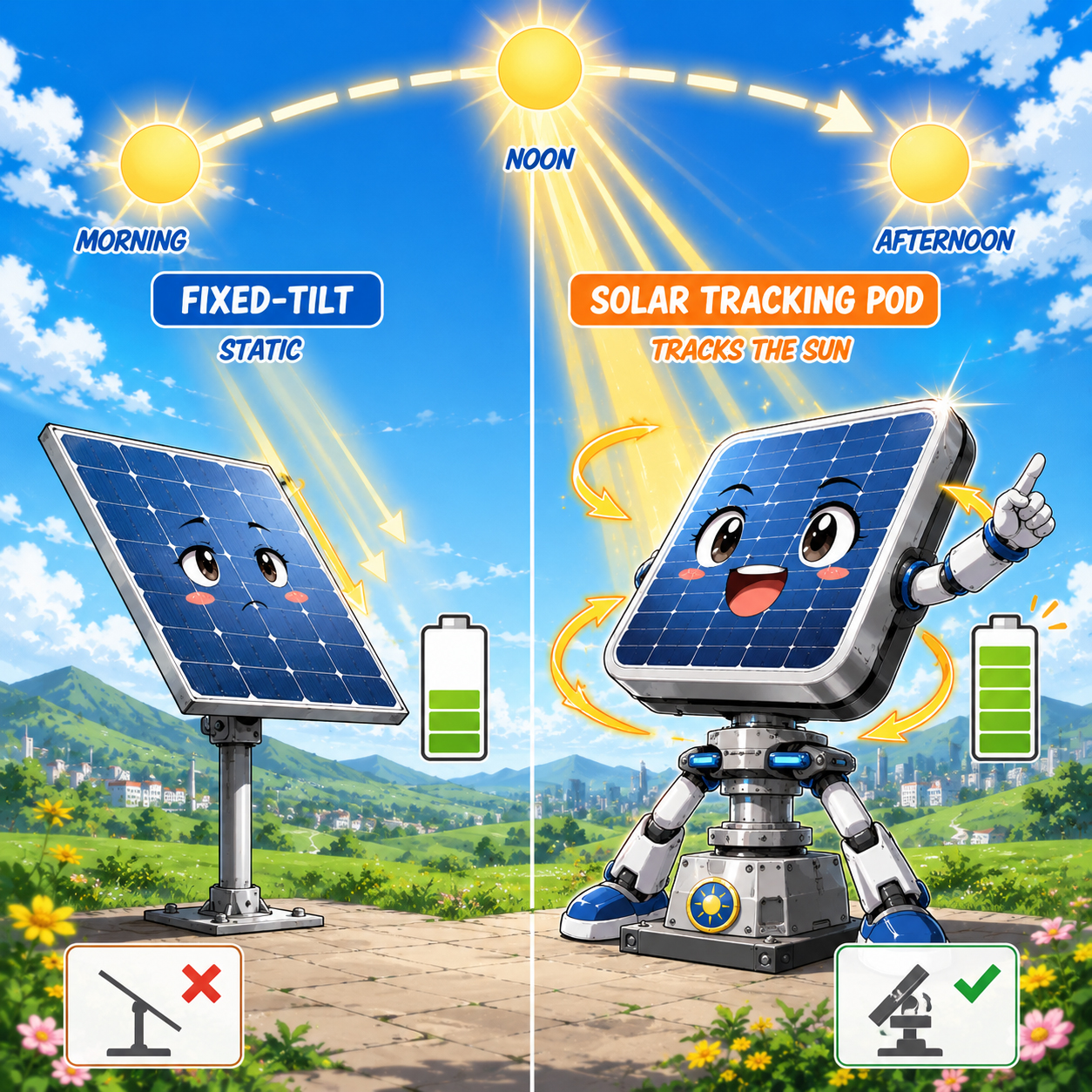
Solar panels make the most power when sunlight hits them more directly. Tracking tries to reduce the “bad angle” moments.
The panel is mounted at one angle. It is simple, strong, predictable, and usually the default answer for roofs and many commercial systems.
The panel moves. It can rotate, tilt, or do both, trying to keep the panel better aligned with the sun through the day.
Tracking is less about one magic number and more about changing the curve: more useful morning and afternoon production in the right site.
The sun appears to rise in the east, climb, cross the sky, and set in the west. The path changes by season and location.
When sunlight hits a panel more directly, the panel usually performs better than when sunlight strikes at a shallow angle.
Tracking adds hardware and movement. That means cost, maintenance, possible failure points, wind exposure, and more design review.
Solar tracking only makes sense because the sun is not standing still in the sky. A tracker tries to follow the useful path.
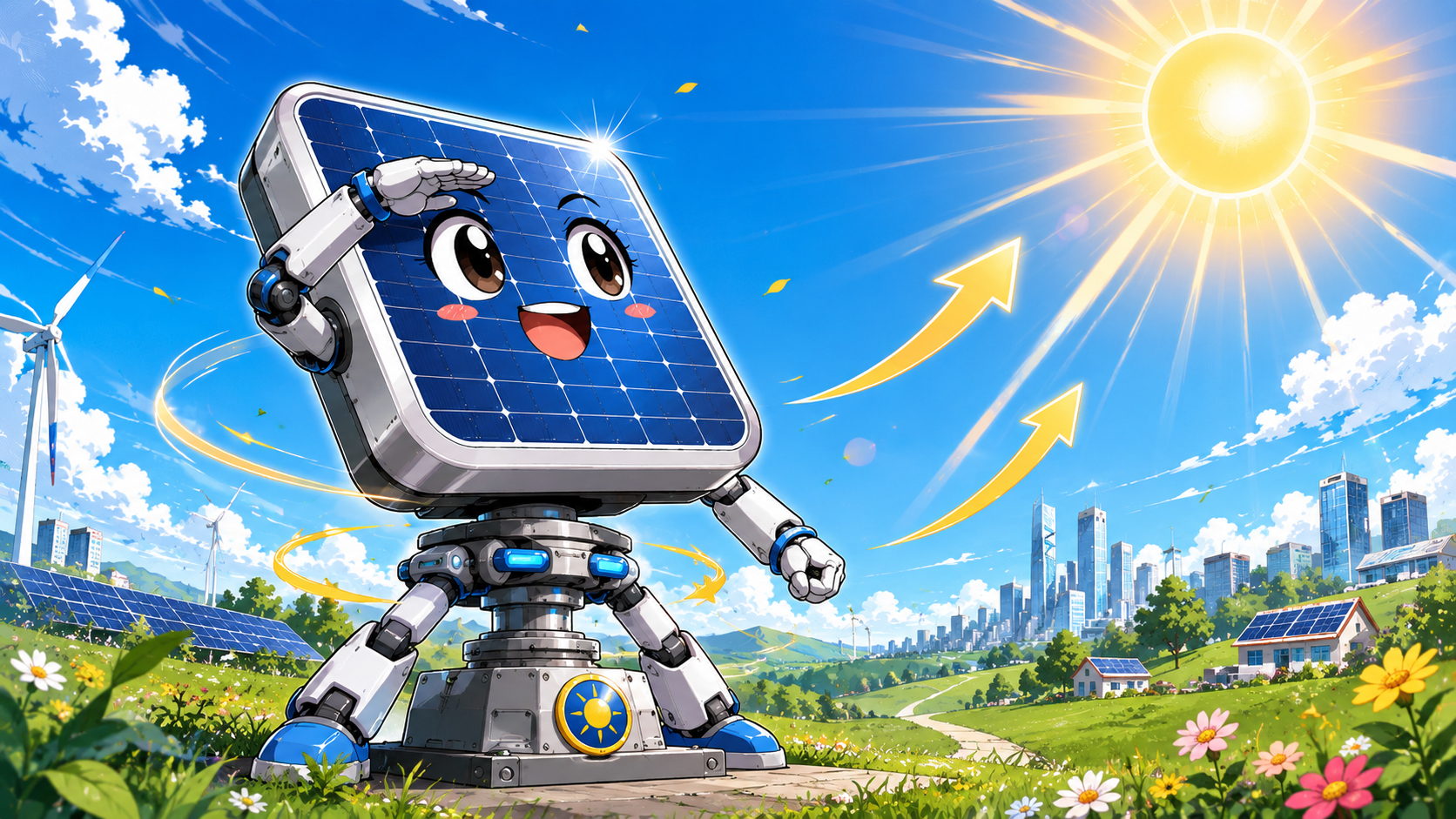
The more movement you add, the more sunlight alignment you may gain — and the more engineering discipline you need.
A single-axis tracker moves in one main direction, often following the sun east-to-west during the day.
A dual-axis tracker can adjust both rotation and tilt, trying to face the sun more directly in two dimensions.
The decision to track should be driven by site, load profile, economics, structure, wind, maintenance access, and the value of the extra production shape.

A tracker can be exciting, but fixed solar often wins because the simplest system can be the strongest system.
Before choosing tracking, ask three practical questions. This is where the manga turns into project planning.
A moving panel can catch wind. A good tracker must know when to work, when to hold position, and when to stow safely.

Solar tracking pods are strongest when they solve a specific problem instead of trying to replace ordinary rooftop solar.
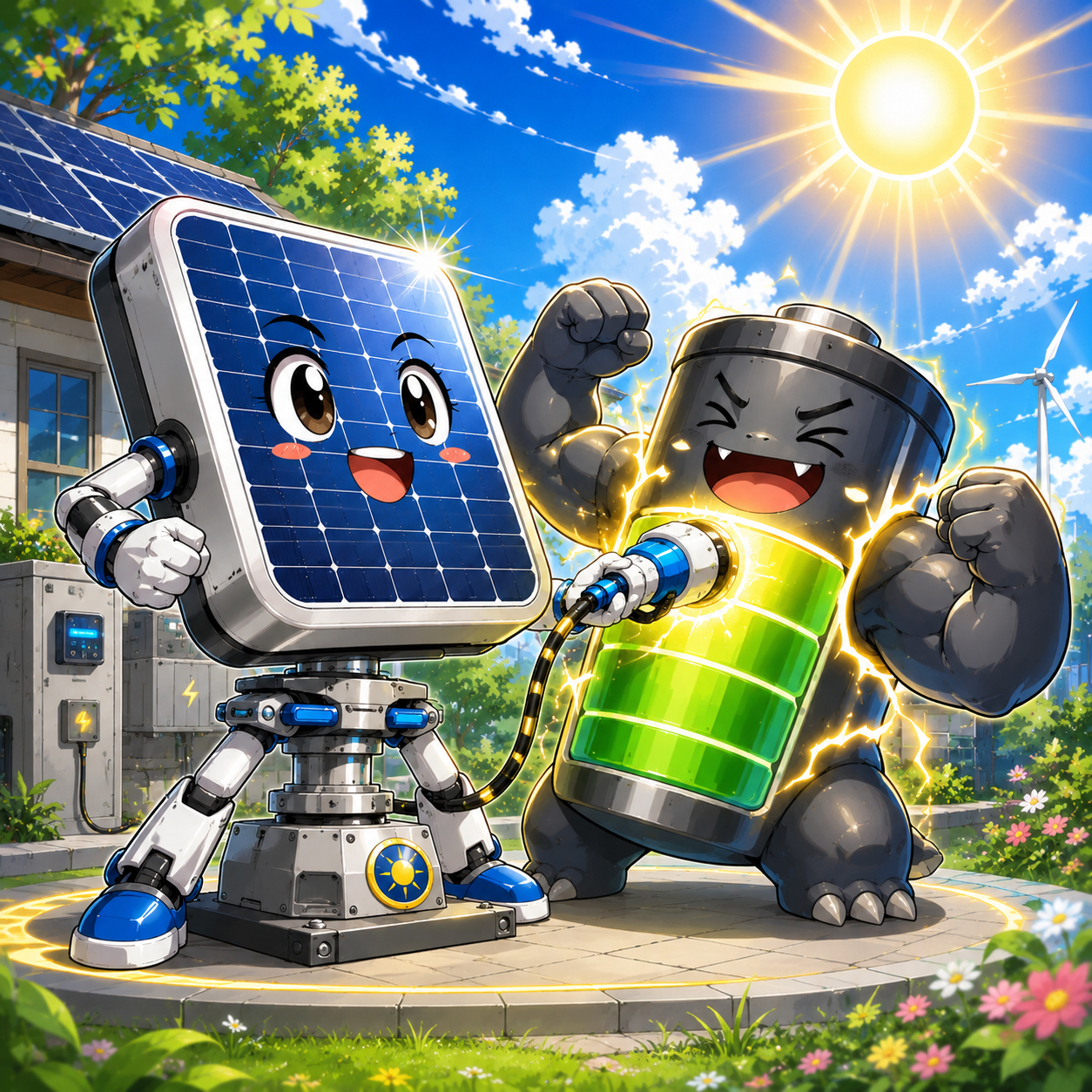 Battery charging
 EV charging pods
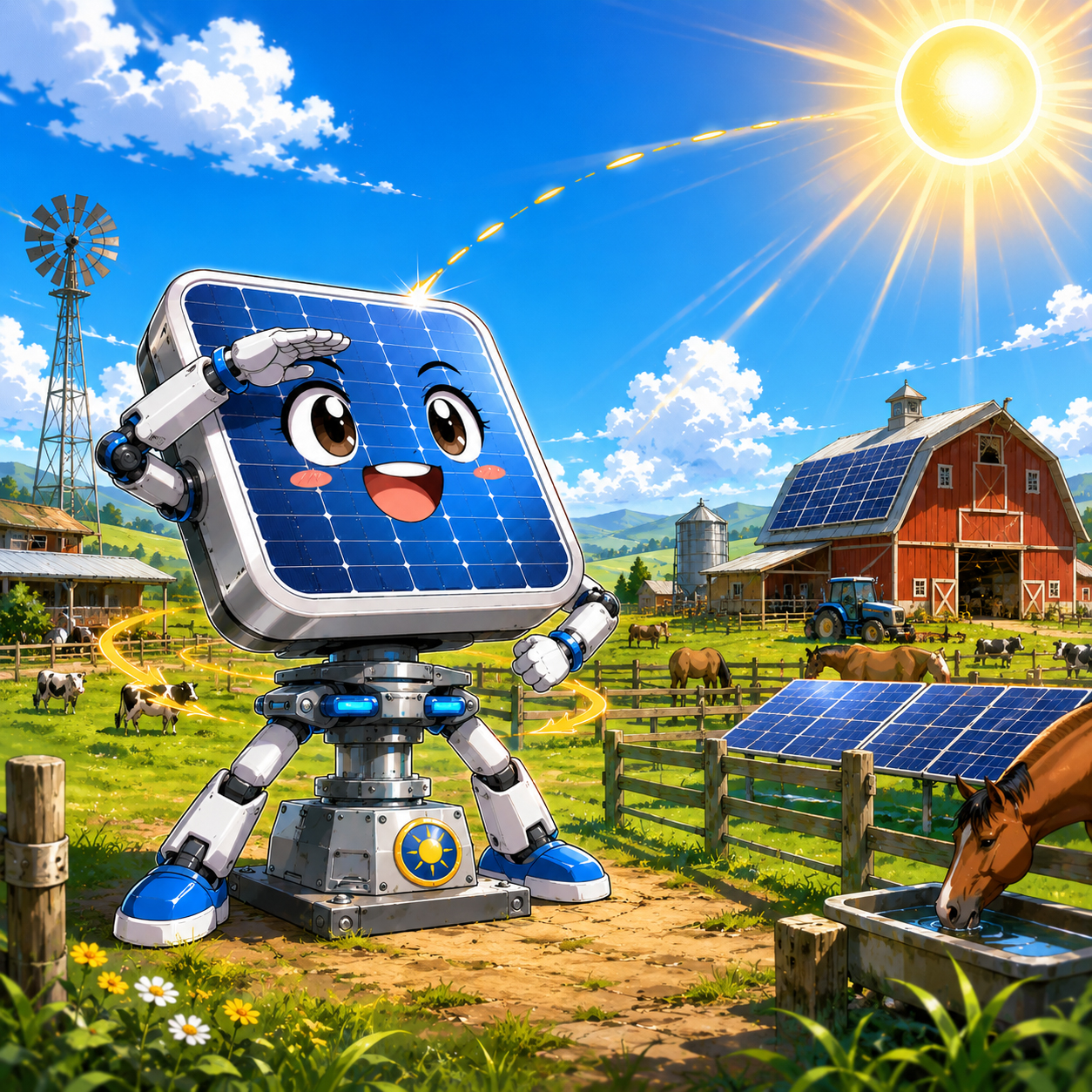 Farm & ranch loads
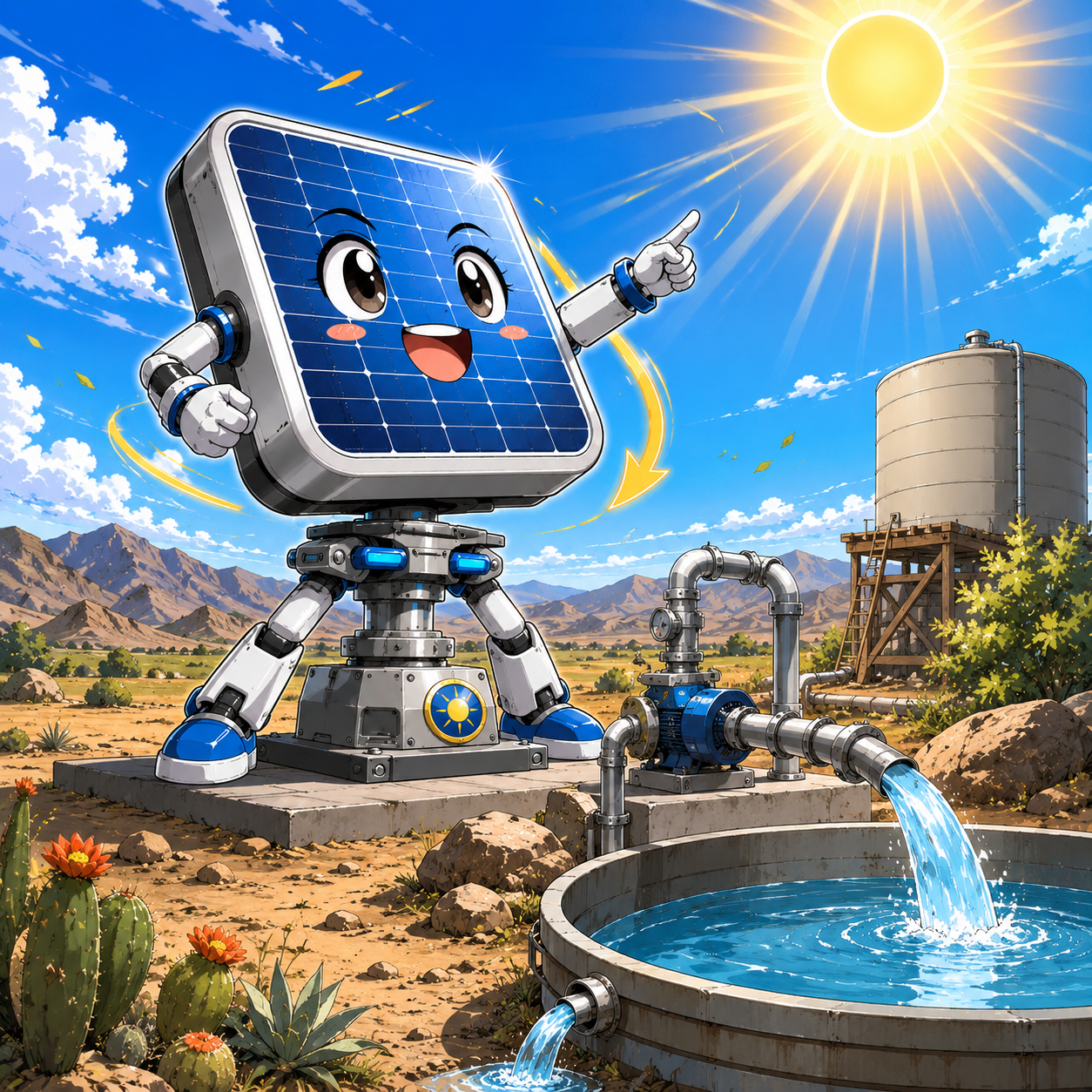 Remote water pumping
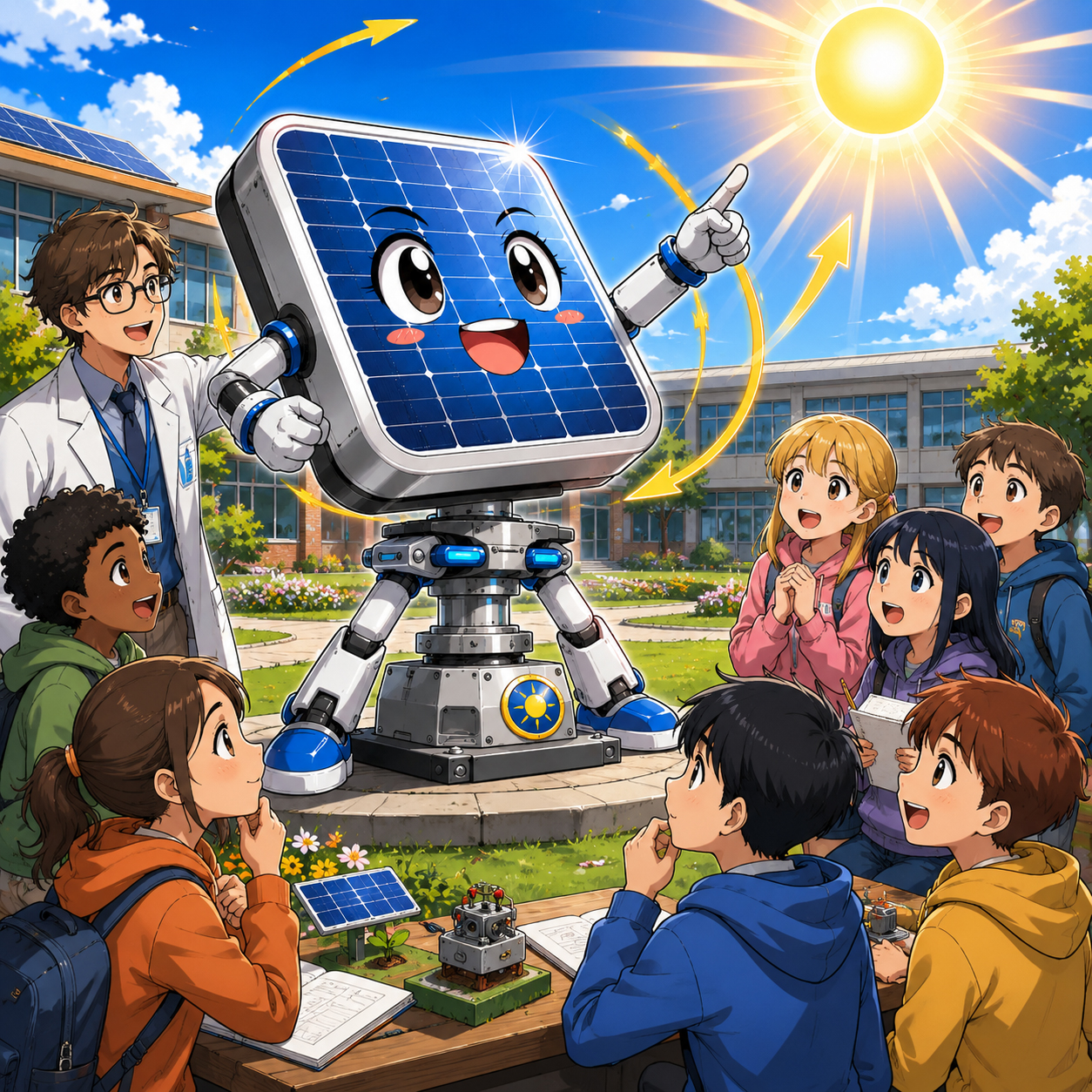 STEM education
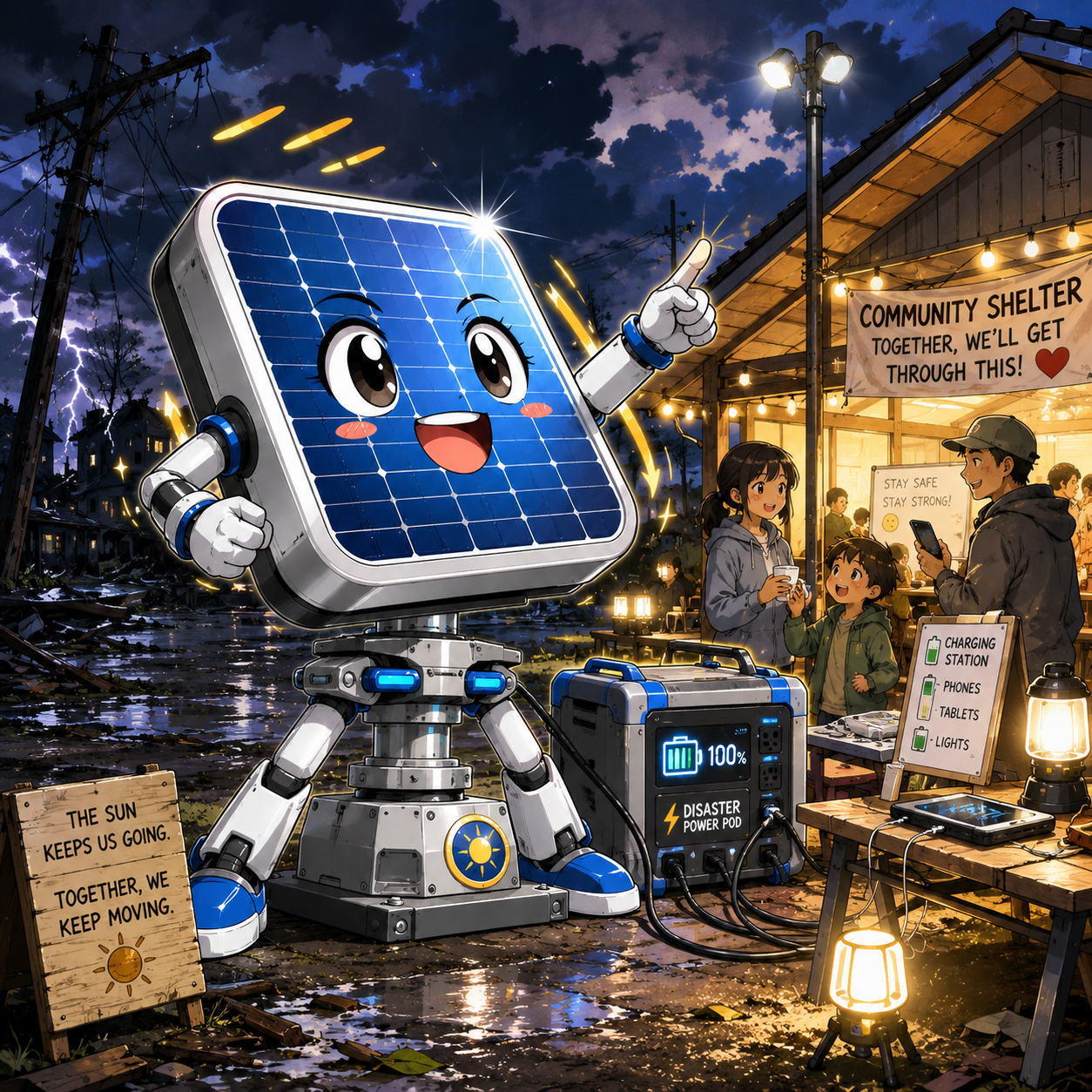 Disaster power concepts
Tracking vs fixed
Disaster power concepts
Tracking vs fixed
 How it works
SolarTrackingPods.com explains concepts. Actual tracking systems require qualified solar, structural, electrical, controls, and permitting professionals. Do not treat a manga page as engineering advice.