Solar Pod Boy joins science class

School pods make sunlight visible.

A school demonstration pod turns solar from an invisible electrical idea into a visible lesson: the sun moves, panels respond, batteries charge, loads run, and engineering choices matter.
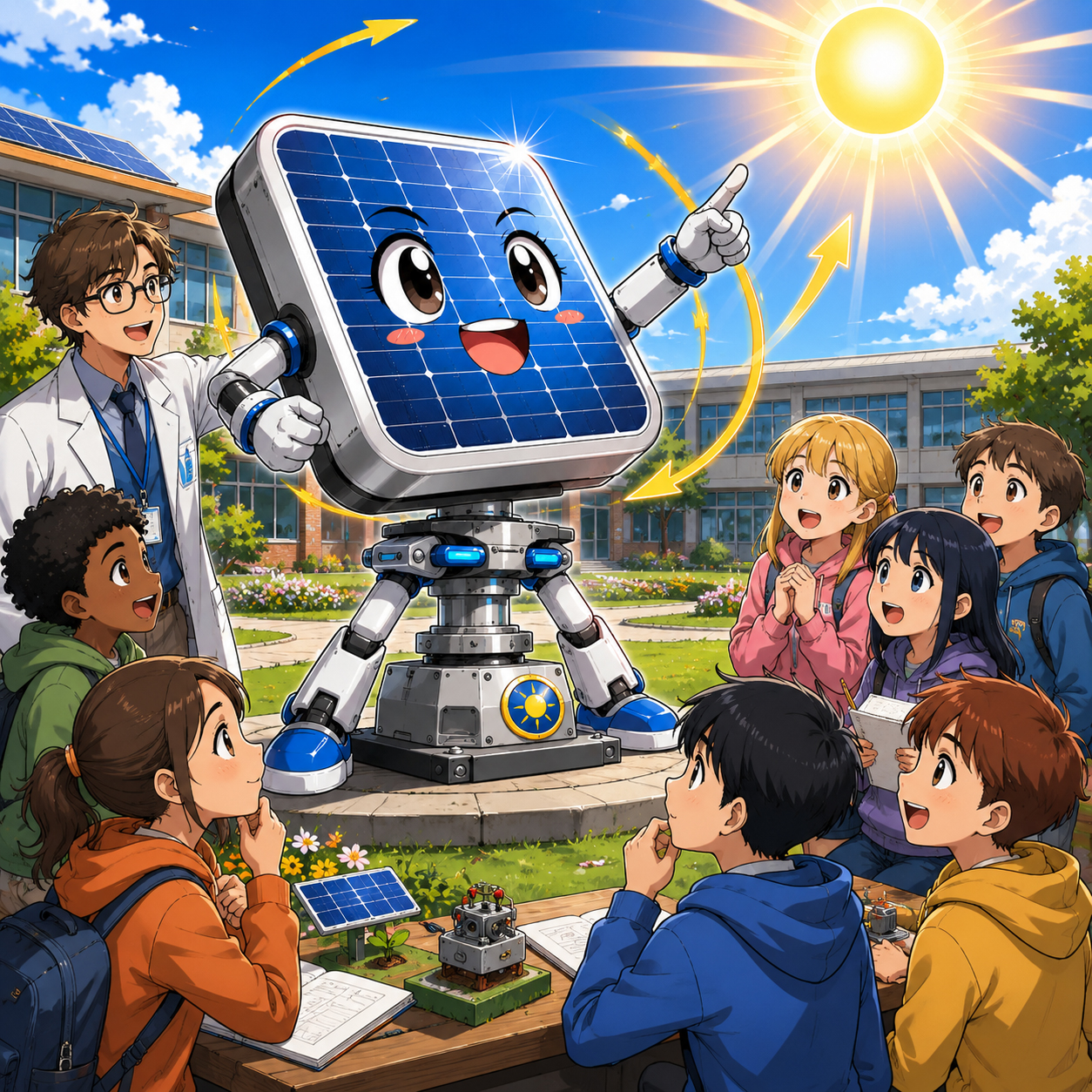
Students learning from a solar tracking pod demonstration
STEM
POWER!

What students can learn.

The best demonstration pods do not just show equipment. They show cause and effect.

Sun path

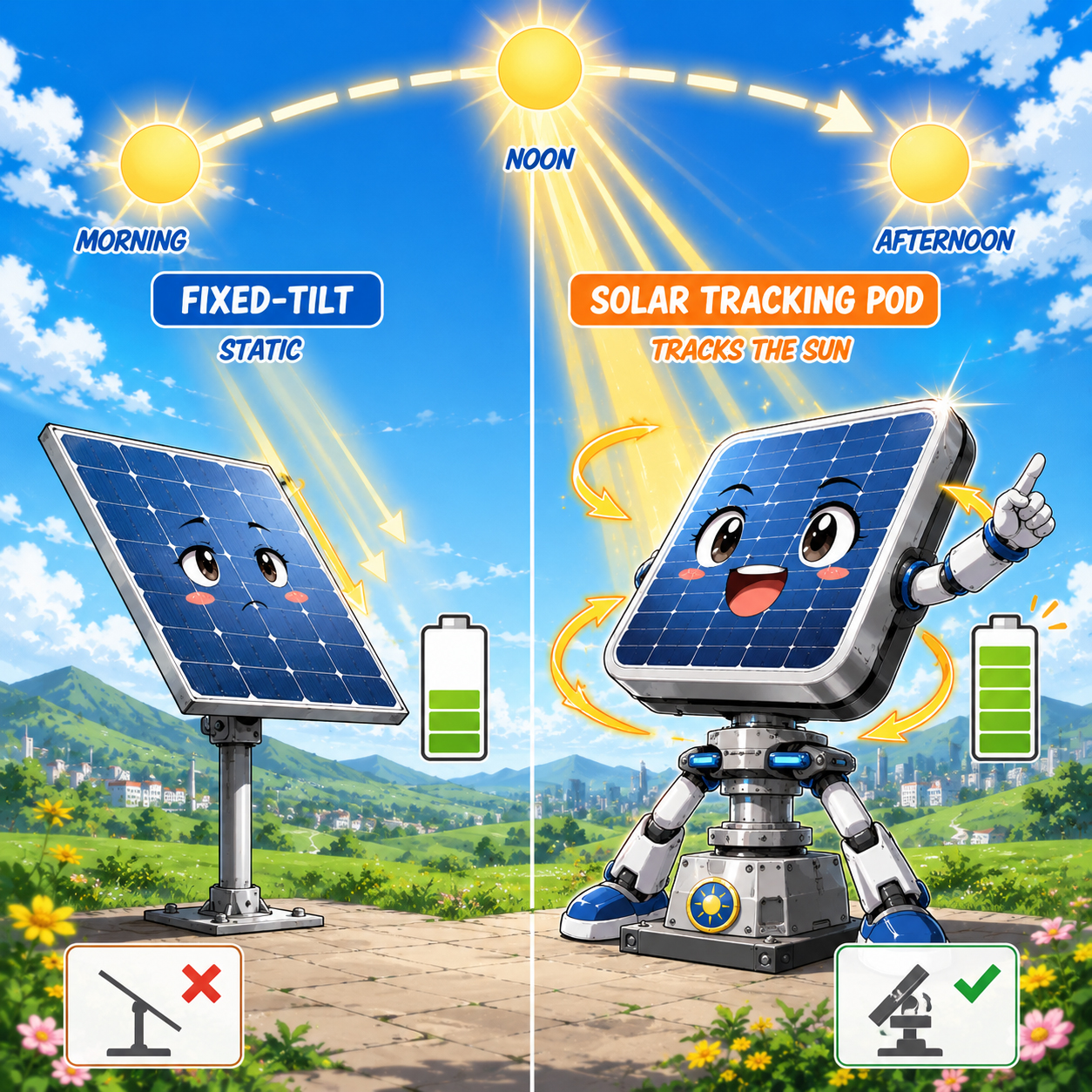
Students can see how the sun changes position through the day and why panel angle matters.

Energy timing

The class can compare morning, noon, and afternoon production instead of treating solar as one flat number.

Storage

Batteries show that electricity can be stored, but capacity and runtime still have limits.

Engineering tradeoffs

Tracking looks exciting, but fixed solar may be simpler, stronger, cheaper, and easier to maintain.

The pod is the classroom character.

Solar Pod Boy gives the lesson a face. Professor Sol-Turn gives it structure. Fixed-Tilt Sensei gives it wisdom. Wind Goblin gives it reality.
  • Track the sun and record panel angle.
  • Compare fixed and tracking output.
  • Charge a small battery or demonstration load.
  • Discuss why moving equipment needs safety rules.
  • Connect solar to weather, seasons, math, and engineering.
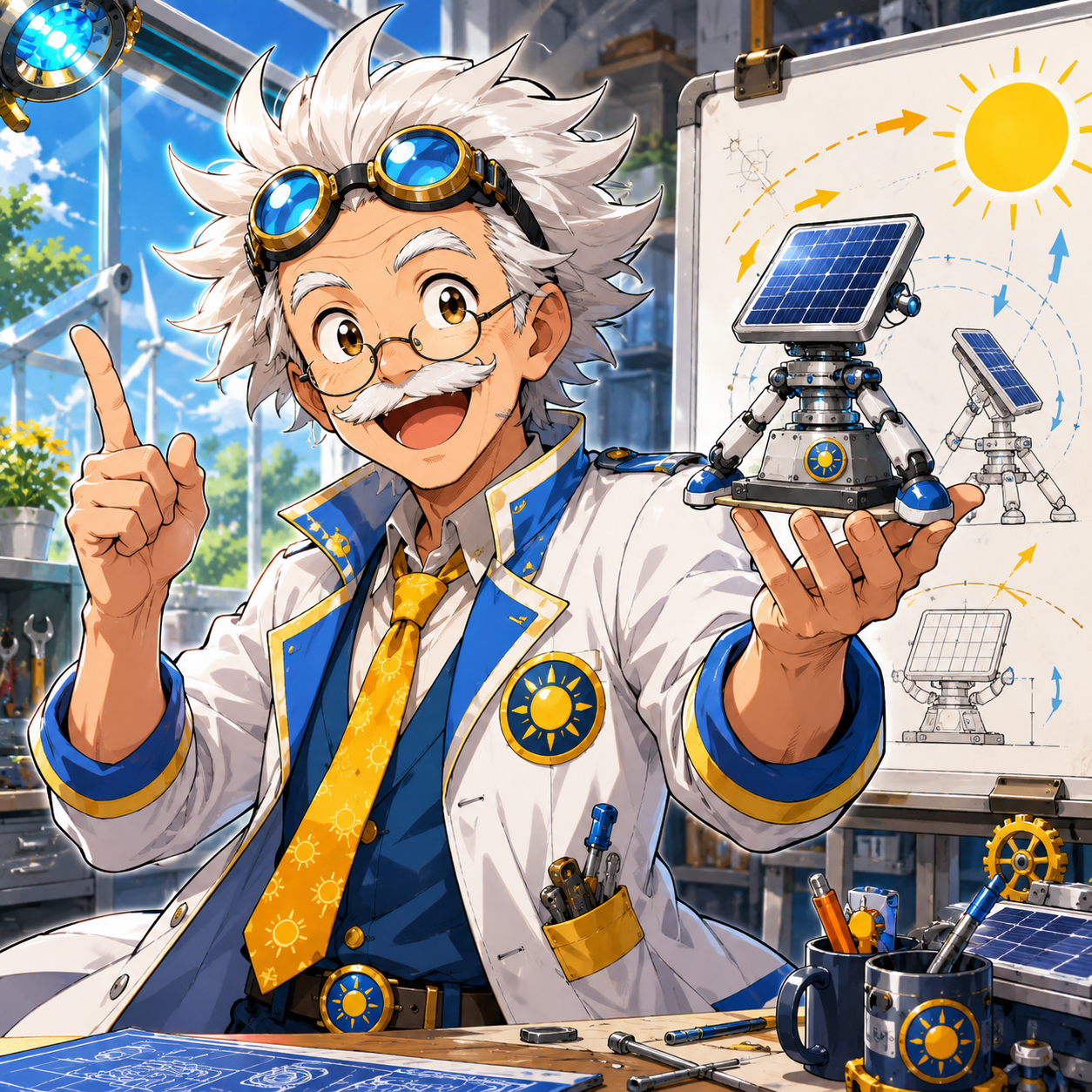
Professor Sol-Turn teaching solar tracking

Teacher lesson board.

A school pod can support science, math, engineering, environmental studies, and career education.

Demonstration modules

Solar geometry Sun angle, shadows, azimuth, tilt, seasons, and path diagrams.
Electrical basics Volts, amps, watts, watt-hours, loads, meters, and safe measurement.
Energy storage Battery capacity, charging, runtime, limits, and critical-load thinking.
Design comparison Fixed tilt, single-axis, dual-axis, cost, maintenance, and reliability.
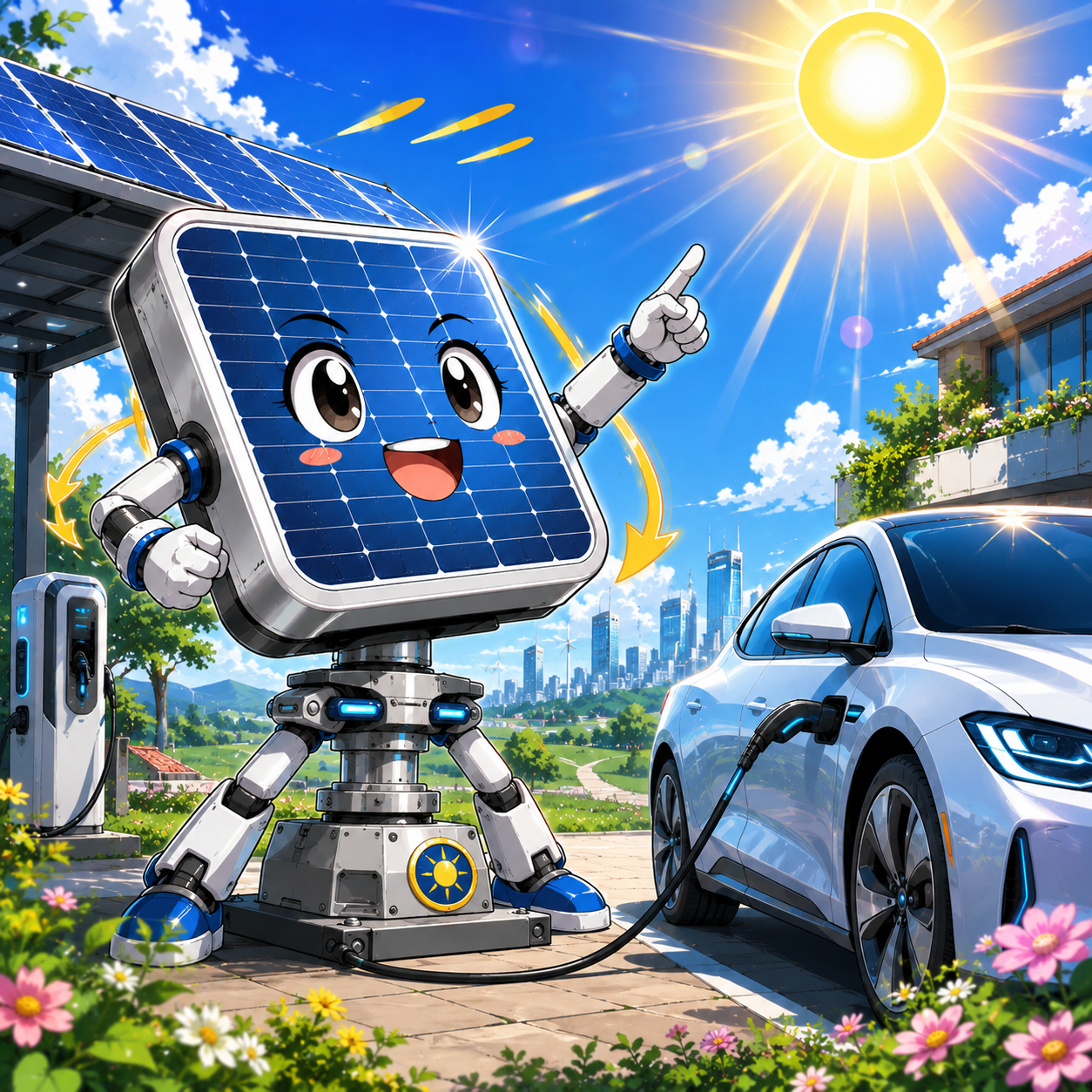
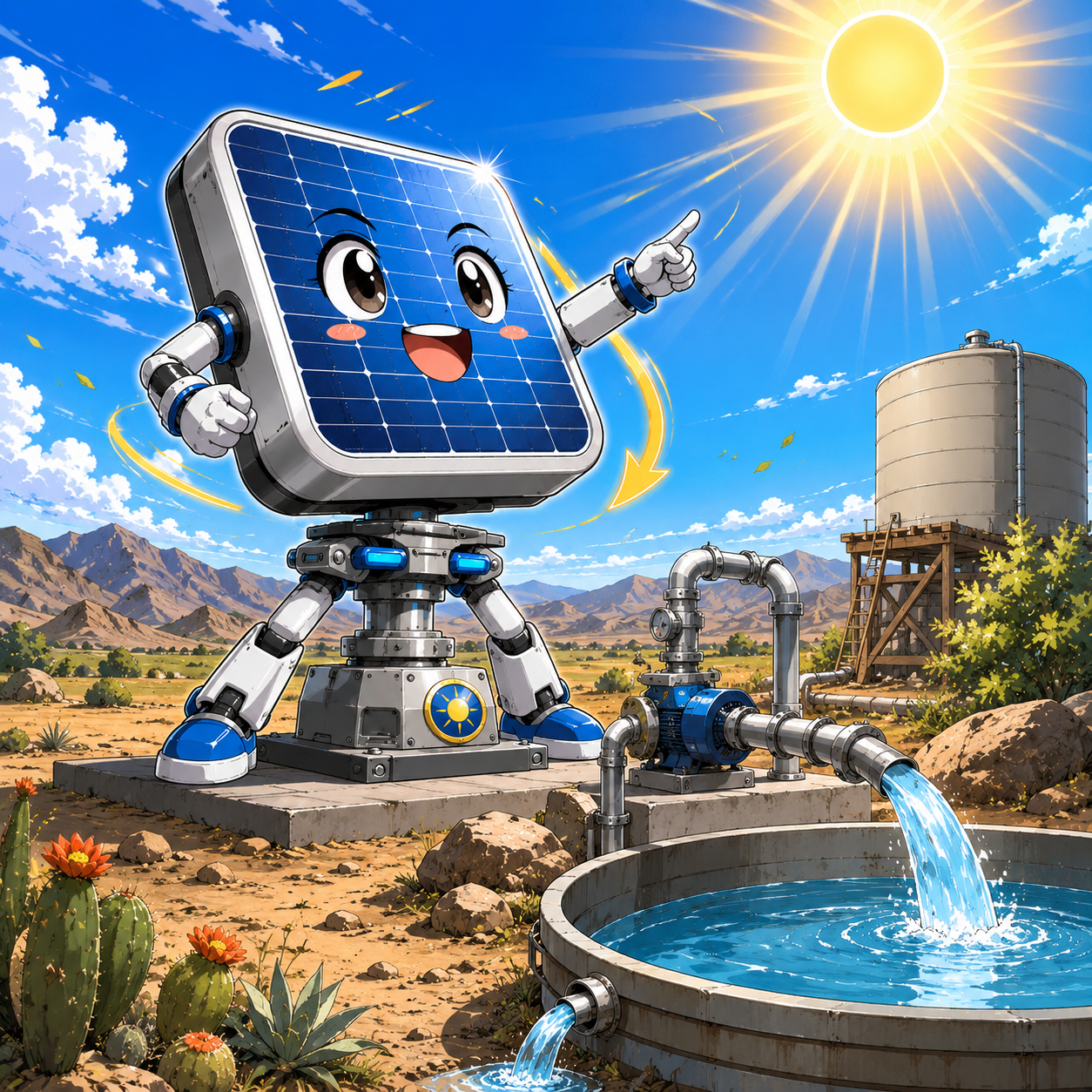
Real applications EV charging, water pumping, farms, disaster power, and remote sites.
Safety Moving parts, weather, wiring, supervision, signs, barriers, and inspections.

School demonstrations need adult boundaries.

Students should not access live wiring, batteries, moving parts, sharp edges, or energized equipment. A demonstration pod must be supervised, guarded, labeled, and installed safely.
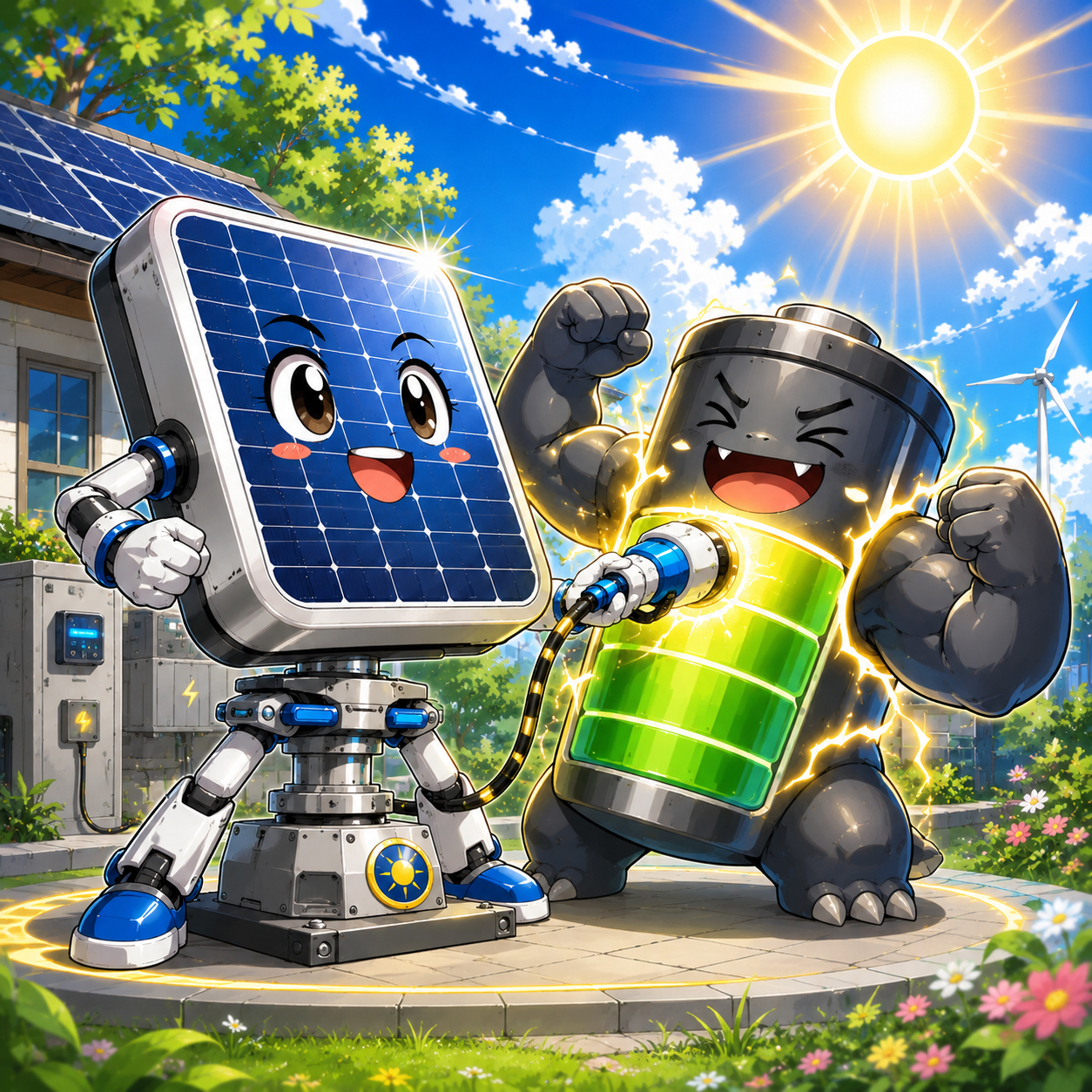
Battery Beast charging from a solar tracking pod

Battery Beast teaches limits.

Batteries are perfect for school lessons because they force students to think in watt-hours, not just sunshine.

  • How much energy went into the battery?
  • How much load can it support?
  • How long can it run?
  • What happens on a cloudy day?
  • Why does battery safety matter?

Good school uses and bad school uses.

The safest school pod is designed as a teaching exhibit first, not as a science-fair hazard.

Good school uses

  • Outdoor supervised STEM demonstration.
  • Solar angle and sun path lessons.
  • Low-voltage monitoring and data logging.
  • Battery/runtime demonstrations with protected equipment.
  • Career-tech discussions about solar installation and engineering.
  • Comparison between fixed, single-axis, and dual-axis concepts.

Bad school uses

  • Unsupervised access to moving hardware.
  • Exposed batteries, terminals, or wiring.
  • Improvised chargers or unlisted equipment.
  • Structures that students can climb or pull on.
  • Outdoor equipment without wind and anchoring review.
  • Claims that the demo can power the whole campus.

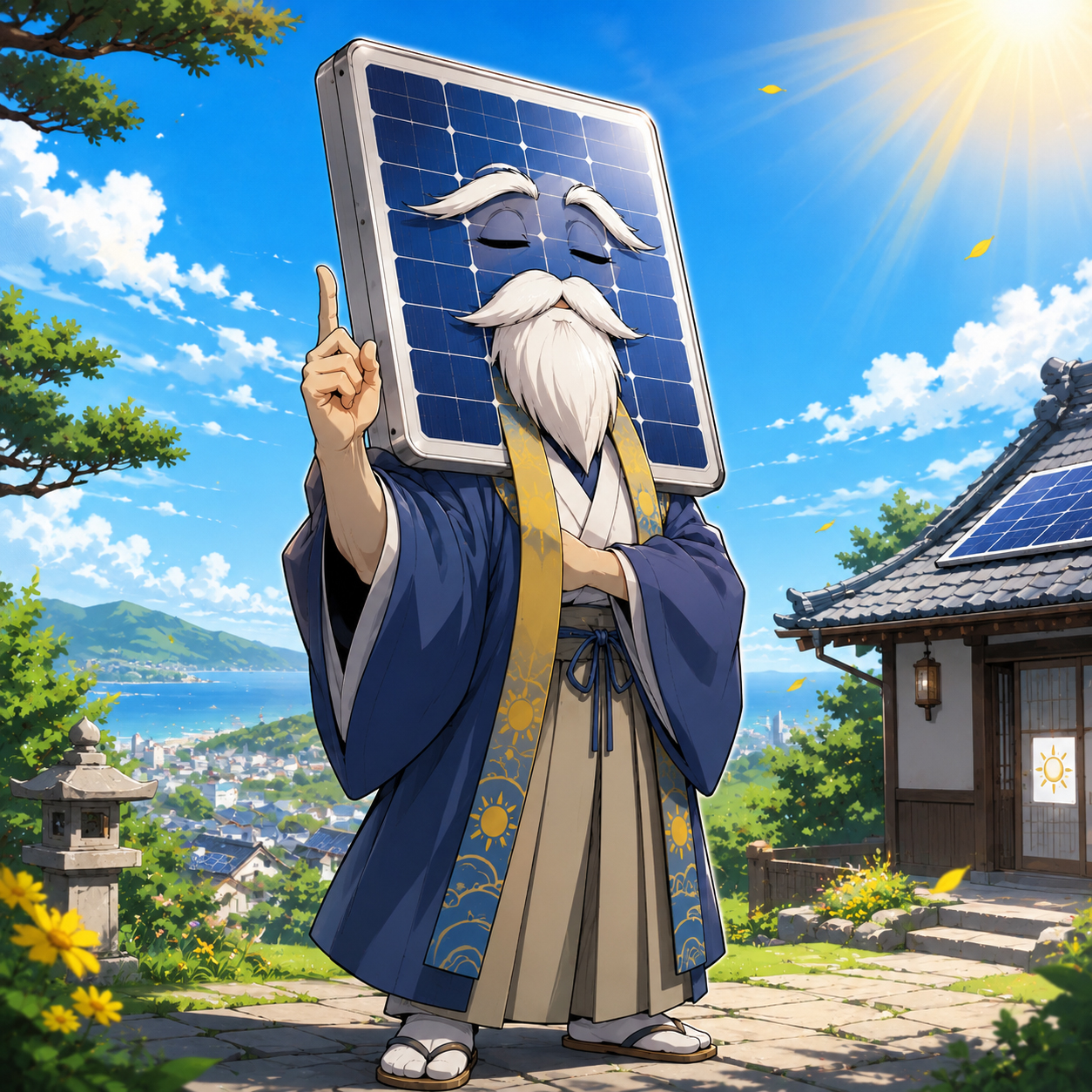
Fixed-Tilt Sensei belongs in class too.

A school should not teach that moving equipment is automatically better. A strong lesson compares tracking excitement with fixed-solar practicality.
  • Fixed solar is simpler and often more reliable.
  • Tracking helps explain geometry and production timing.
  • More fixed panels may be better than moving parts.
  • Maintenance and wind must be part of the lesson.
  • Good engineering means choosing the right system for the job.
Fixed Tilt Sensei manga solar character

Safety checklist.

A school pod should be built like a teaching exhibit: clear, sturdy, guarded, labeled, and boringly safe.
Demonstration design

  • Use barriers or guarded moving parts.
  • Keep students away from pinch points.
  • Protect wiring and batteries inside enclosures.
  • Use safe voltage demonstrations where appropriate.
  • Label equipment and controls clearly.
  • Provide teacher-controlled operation.

Site design

  • Anchor or ballast the structure properly.
  • Review wind exposure.
  • Keep equipment away from walkways and sports areas.
  • Provide service access for adults.
  • Plan weather protection and shutdown.
  • Follow school, electrical, building, and fire-code requirements.
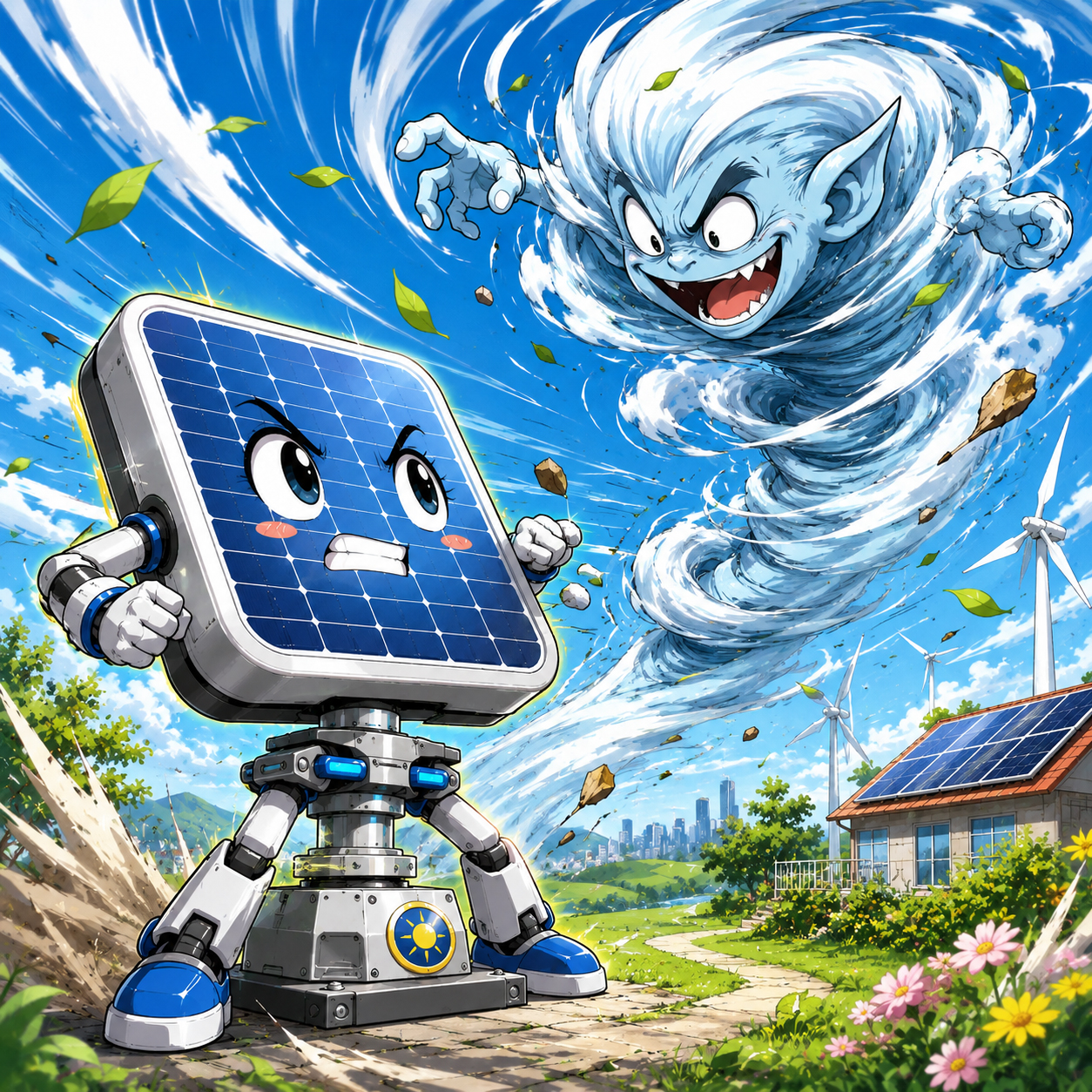
Wind Goblin attacking a solar tracker

Wind Goblin visits the schoolyard.

School installations need extra caution because children, parents, staff, and visitors are nearby. Wind and moving parts are not abstract risks.

  • Engineer supports and anchoring.
  • Use safe stow positions.
  • Control access to moving equipment.
  • Protect the system from balls, bikes, and curious hands.
  • Inspect before demonstrations.

Continue the pod lab.

School demonstrations connect every major concept on SolarTrackingPods.com.

Bottom line.

School demonstration pods are strongest when they teach solar geometry, batteries, energy timing, and engineering tradeoffs safely. Make the lesson exciting; make the hardware conservative.